
What Is the Difference Between Plaster and Venetian Plaster?
- aurasuface
- Apr 16
- 6 min read
If you are asking what is the difference between plaster and Venetian plaster, you are usually not comparing like for like. One is a broad wall-finishing material used to create a smooth, paint-ready surface. The other is a premium decorative finish chosen for depth, movement and a distinctly luxurious look.
That distinction matters more than most people expect. Standard plaster is often part of the building process - practical, necessary and designed to disappear beneath paint or wallpaper. Venetian plaster is different. It is the finished surface itself, hand-applied to create texture, softness, polish and colour variation that turns a wall into a design feature.
What is the difference between plaster and Venetian plaster?
At the simplest level, plaster is usually a base or finishing coat used to prepare walls and ceilings. It gives you a flat, even surface and helps correct imperfections in the substrate beneath. In most homes and commercial interiors, it is there to support the next decorative layer rather than be the decorative layer.
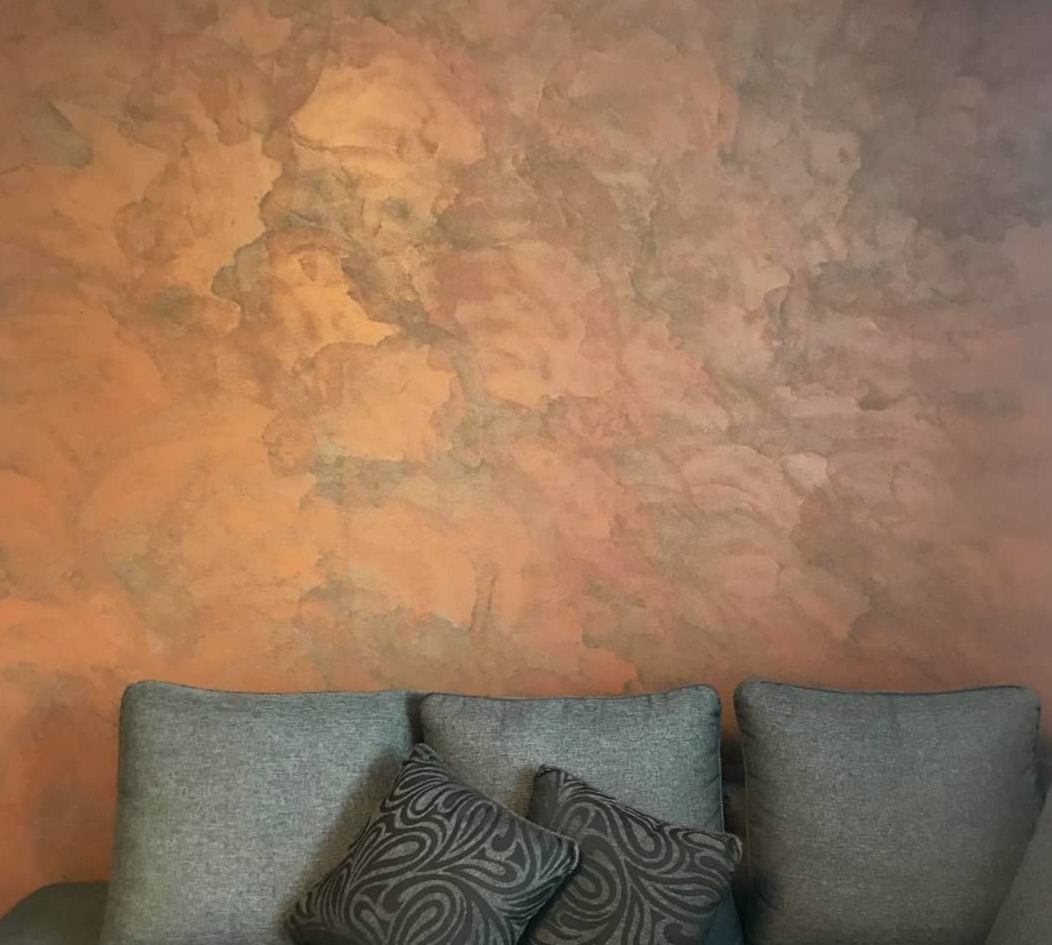
Venetian plaster is a specialist decorative finish made from fine plaster or lime-based materials blended to create depth and character. It is applied in multiple thin coats, then worked by hand to achieve anything from a soft stone effect to a polished, marble-like sheen. Rather than covering it with paint, you leave it visible.
So the main difference is purpose. Standard plaster creates a foundation. Venetian plaster creates the final visual statement.
Standard plaster - functional, smooth and understated
When most people refer to plaster, they mean the material used by plasterers to skim walls and ceilings. It is valued for creating a neat, uniform finish that can then be painted in any chosen colour. It is reliable, practical and essential in renovations, extensions and new-build interiors.
Its strength is consistency. If your goal is to straighten uneven surfaces, cover old textures or prepare a room for decorating, standard plaster does that job well. It is also the more economical option when the brief is functional rather than decorative.
What it does not usually provide is visual richness on its own. Once dry, standard plaster is typically matte, plain and designed to disappear into the background. For many projects, that is exactly what is needed. For design-led spaces, it may feel too ordinary.
Venetian plaster - decorative, tactile and bespoke
Venetian plaster sits in a different category. It is chosen not just for what it covers, but for how it transforms a space. The finish can be soft and chalky, gently textured, subtly clouded or highly polished depending on the desired effect. Light moves across it differently from paint, which is why it often feels more refined and architectural.
This is where craftsmanship becomes visible. Venetian plaster is built up by hand, layer by layer, with each pass affecting the final depth, tone and movement. The result is rarely flat or uniform in the conventional sense. Instead, it has variation - the kind that makes a wall feel bespoke rather than factory-finished.
For clients seeking luxury interiors, that difference is everything. A painted plastered wall can look smart. A Venetian plaster wall can become the focal point of the room.
The real difference is in the finish
If you stood in front of both surfaces, the contrast would be immediate. Standard plaster looks smooth and serviceable. Venetian plaster has texture, tonal movement and a surface quality that can echo natural stone, concrete or polished marble.
That finish changes the atmosphere of a room. In a hallway, it can add softness and depth where plain paint might feel stark. In a bathroom, it can create a spa-like calm. In hospitality or retail interiors, it can signal craftsmanship and premium design from the moment someone walks in.
This is also why Venetian plaster appeals to architects, designers and homeowners who want more than a standard decorative scheme. It offers visual restraint with much more character than paint.
Application methods are not the same
Another key answer to what is the difference between plaster and Venetian plaster lies in the installation itself.
Standard plaster is applied to create level surfaces. The objective is smoothness, coverage and readiness for decorating. Skill still matters, of course, but the result is measured by how cleanly it supports whatever comes next.
Venetian plaster requires a more artisan approach. The applicator works with the material’s movement, pressure and layering to produce a specific finish. Some looks demand a soft, mineral texture. Others call for compression and polishing to create a sleek, reflective effect. Small changes in technique have a big impact on the final appearance.
That means Venetian plaster is not simply a more expensive version of standard plaster. It is a specialist decorative craft.
Durability and maintenance
Both materials can perform well, but they do so in different ways.
Standard plaster is durable as a substrate, yet it typically relies on paint or another covering for its finished appearance and day-to-day cleanability. If the painted surface gets marked, scuffed or dated, it is usually repainted.
Venetian plaster can offer impressive longevity as a finished surface, especially when properly specified and sealed where appropriate. Depending on the product and setting, it can be well suited to busy interiors and can age beautifully rather than simply wear out. Minor variation and patina often add to its appeal instead of detracting from it.
That said, suitability depends on the room and the chosen finish. Not every Venetian plaster product is right for every environment, and highly polished decorative surfaces should always be selected with practical use in mind. A family kitchen, boutique salon and formal reception area may each require a different specification.
Cost - and why the comparison can be misleading
Standard plaster is generally cheaper because it serves a different function. It is a preparation layer, not a luxury finish. Venetian plaster costs more because you are paying for specialist materials, hand application and a bespoke result.
The mistake is comparing them as though they are interchangeable. If your goal is simply to get walls ready for painting, Venetian plaster is not the economical route. If your goal is to create a feature surface with depth, elegance and individuality, standard plaster and paint will not deliver the same outcome.
A better way to think about cost is to ask what role the wall needs to play. Background surface or design feature? Once that is clear, the budget conversation becomes much more straightforward.
Which one is right for your project?
If you want clean, smooth walls throughout a property renovation, standard plaster is usually the practical foundation. It is efficient, familiar and suited to spaces where the decorative interest will come from paint, joinery, furniture or artwork.
If you want the walls themselves to contribute to the design language of the room, Venetian plaster is the stronger choice. It works especially well in feature walls, entrance spaces, bedrooms, bathrooms, restaurants, bars and reception areas where texture and finish carry visual weight.
There is also a middle ground. Some projects use standard plaster in the majority of spaces, then introduce Venetian plaster in selected areas where impact matters most. That approach can balance budget with design ambition.
When Venetian plaster adds the most value
Venetian plaster tends to make the strongest impression where natural light, careful styling and material contrast are already part of the scheme. Think dark timber, brushed metals, stone surfaces, soft upholstery and tailored lighting. In those settings, a hand-applied plaster finish feels intentional rather than decorative for its own sake.
It also suits clients who value individuality. Because the finish is crafted rather than printed or rolled on, no two walls are exactly the same. The colour, depth and movement are part of the appeal.
For premium residential and boutique commercial interiors, that bespoke quality is often what elevates the whole space.
The decision comes down to purpose
So, what is the difference between plaster and Venetian plaster in practical terms? Plaster prepares the wall. Venetian plaster defines it.
One gives you a blank canvas. The other is the artwork. Neither is universally better - it depends on whether you need utility, visual impact or a combination of both.
If you are planning a design-led interior, the smartest starting point is not asking which material is superior. It is asking what you want the room to feel like when someone steps inside. That answer usually points you to the right finish.


Comments