
How Long Does Venetian Plaster Last?
- aurasuface
- Apr 14
- 6 min read
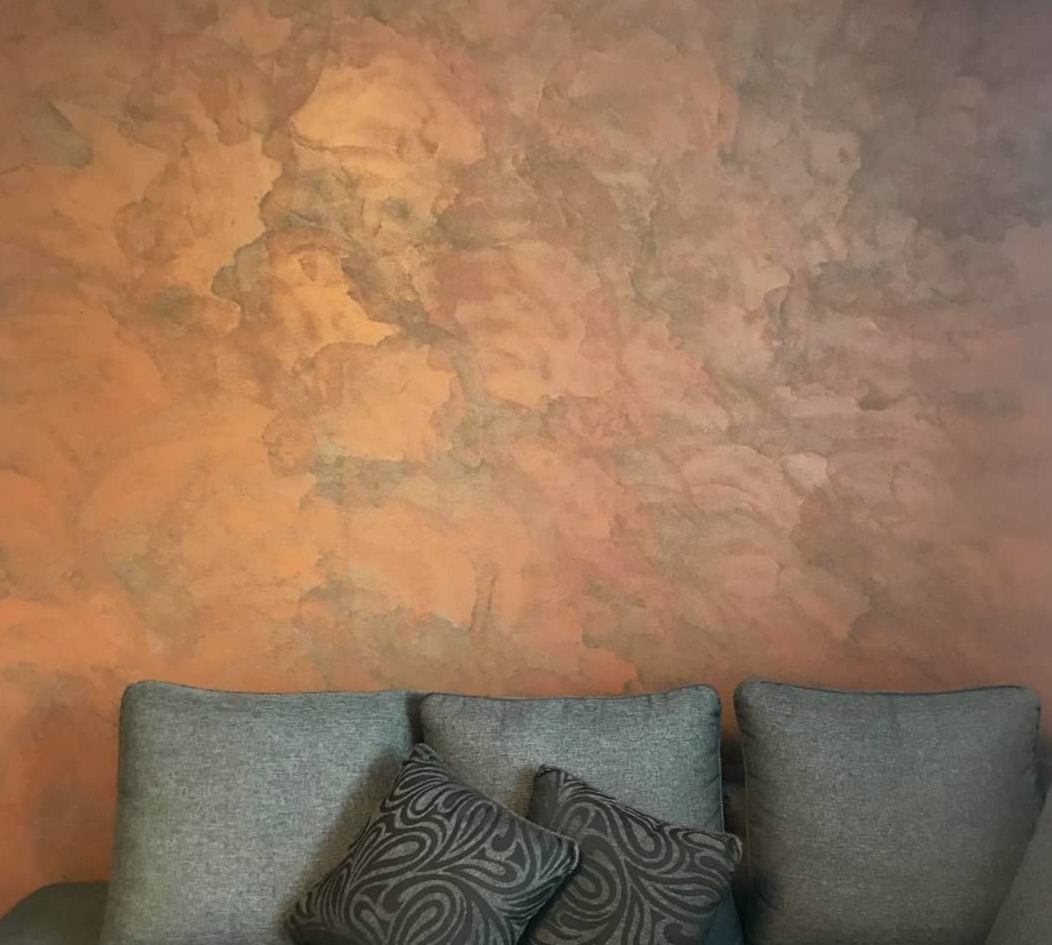
A beautifully finished wall should still feel impressive years after the room is complete. That is why one of the first questions clients ask is, how long does Venetian plaster last? The short answer is that a well-applied Venetian plaster finish can last for decades. In many interiors, it will comfortably outlast standard painted walls, especially when the surface has been specified properly, applied by a skilled specialist and maintained with care.
That longevity is a large part of its appeal. Venetian plaster is not simply a decorative trend. It is a premium, hand-applied wall finish with genuine staying power - visually and practically. For homeowners, designers and commercial spaces investing in a bespoke interior, that matters.
How long does Venetian plaster last in real interiors?
In most residential settings, Venetian plaster can last 20 years or more. In lower-traffic areas, it may look exceptional for far longer. Unlike paint, which often starts to show scuffs, fading or patchiness within a few years, plaster has a more substantial presence. It is part of the wall surface rather than a thin coating sitting on top of it.
That said, lifespan is never just about the material itself. A luxury finish performs best when the full system is right. The substrate, the preparation, the product choice and the final seal all influence how well it ages.
In a formal sitting room, principal bedroom or feature hallway, Venetian plaster can remain elegant for decades with minimal intervention. In a busy restaurant, spa or reception area, it can still perform beautifully, but the finish may need more considered protection and occasional maintenance.
Why Venetian plaster lasts longer than paint
The durability comes from both composition and application. Venetian plaster is built up in thin, compressed layers, creating depth, texture and a hard-wearing surface. It is not a flat decorative shortcut. When applied correctly, it forms a refined finish with real integrity.
Paint is easier to refresh, but it is also easier to mark, chip and date. Venetian plaster tends to age with more character. Minor variations and subtle tonal movement are part of its charm, so it does not suffer in the same way from the uniform wear that makes painted walls look tired.
This is one reason design-conscious clients choose it for statement interiors. The finish offers a sense of permanence. It feels crafted rather than temporary.
What affects how long Venetian plaster lasts?
Quality of application
This is the biggest factor. Venetian plaster is an artisan finish, and its performance depends heavily on craftsmanship. Poor preparation, rushed layering or incorrect sealing can shorten its lifespan significantly.
A properly prepared surface allows the plaster to bond and cure as intended. Skilled application creates a denser, more stable finish with fewer weaknesses. In premium interiors, the difference is visible from day one and even more apparent five or ten years later.
The type of plaster used
Not all decorative plasters are the same. Some are more breathable, some more polished, and some better suited to high-moisture or high-traffic settings. A classic polished plaster in a dry lounge will behave differently from a more textured finish specified for a commercial washroom.
Choosing the right product for the room matters as much as the installation itself. The most luxurious result is not always the one with the highest shine. Sometimes the better long-term choice is a finish with more texture, a softer movement or a different protective treatment.
Location and daily wear
A feature wall behind a bed lives a very different life from a corridor wall that gets brushed by bags, furniture and hands every day. Venetian plaster is durable, but it is not indestructible.
In low-contact spaces, it can remain pristine for many years. In high-use areas, you should expect some gradual wear unless the finish has been selected and sealed with that environment in mind. This does not make it unsuitable - it simply means the specification should match the space.
Venetian plaster can work well in bathrooms, kitchens and spa-style settings, but only when the product and seal are appropriate. Moisture-resistant waxes or sealers help protect the finish and maintain its appearance.
In the wrong conditions, or with inadequate ventilation, even a high-end wall finish can suffer. If the room has regular steam, splashing or condensation, expert guidance is worth having at the outset.
Does Venetian plaster need maintenance?
Yes, but usually less than painted walls. That is one of its practical advantages.
Routine maintenance is simple. Most walls only need light dusting and the occasional gentle wipe with a soft cloth. Harsh cleaning products should be avoided, particularly on polished or waxed finishes, as they can dull the surface or compromise the protective layer.
Over time, some finishes benefit from re-waxing or a light refresh, especially in commercial interiors or busy family homes. This is not the same as full redecoration. In many cases, the wall does not need replacing - it simply needs the finish professionally revived.
That is an important distinction. Venetian plaster is often easier to preserve than people expect. Rather than stripping back and repainting every few years, you are maintaining a crafted surface designed to endure.
How long does Venetian plaster last in bathrooms and kitchens?
This is where the answer becomes more dependent on specification. When installed correctly and protected with the right seal, Venetian plaster can last very well in bathrooms and kitchens. It creates a seamless, luxurious surface that suits contemporary interiors beautifully.
However, these rooms are more demanding. Heat, humidity, grease and regular cleaning all put more pressure on the finish. A plaster chosen purely for appearance may not perform as well as one selected for both aesthetics and function.
In practical terms, a bathroom feature wall outside direct splash zones may stay in excellent condition for many years. A kitchen wall behind a dining area can also perform brilliantly. Areas exposed to frequent water contact, heavy condensation or aggressive cleaning need more careful planning.
Can Venetian plaster crack or chip?
It can, but usually for a reason.
Hairline cracks are often linked to movement in the substrate rather than a failure of the plaster itself. If the wall beneath shifts, settles or has not been prepared correctly, the finish may reflect that movement. Chips are more likely in areas exposed to knocks or impact.
This is another reason professional installation matters. Good surface preparation reduces the risk of future issues. So does honest advice about where Venetian plaster is most suitable and where an alternative finish may be the smarter choice.
A premium result is not about applying plaster everywhere for the sake of it. It is about using it where it will look exceptional and last well.
Is Venetian plaster worth it for longevity alone?
If you are only comparing upfront cost, paint will always look cheaper. But if you are thinking in terms of lifespan, finish quality and reduced need for frequent redecoration, Venetian plaster often represents strong long-term value.
It gives you more than durability. It offers depth, movement, texture and a bespoke look that standard wall finishes cannot replicate. That makes it especially attractive for design-led homes, boutique hospitality spaces and commercial interiors where atmosphere matters.
There is, of course, a trade-off. Venetian plaster requires specialist installation and a higher initial investment. It is not a weekend decorating project. But for clients who want a luxurious surface with presence and longevity, that investment is usually the point.
How to help Venetian plaster last longer
The best approach is to treat Venetian plaster as a premium architectural finish, not as standard paintwork. Choose a skilled installer, make sure the surface beneath is properly prepared and select a finish suited to the room's conditions.
After installation, avoid abrasive cleaning, manage moisture where relevant and deal with any impact damage early. In commercial settings, or in busy family spaces, periodic professional maintenance can keep the surface looking refined for much longer.
For clients planning a full interior scheme, it also helps to think beyond the wall itself. Lighting, room use and surrounding materials all affect how the finish ages visually. A beautifully specified plaster wall in the right setting tends to stay desirable because it feels timeless rather than trend-led.
Venetian plaster lasts best when it is chosen with intention. When craftsmanship, material quality and interior design are working together, the result is not just durable - it remains visually rewarding year after year. If you are investing in walls that should still feel special well into the future, this is one finish that earns its place.


Comments