
Is Polished Plaster Washable? What to Know
- aurasuface
- Apr 25
- 6 min read
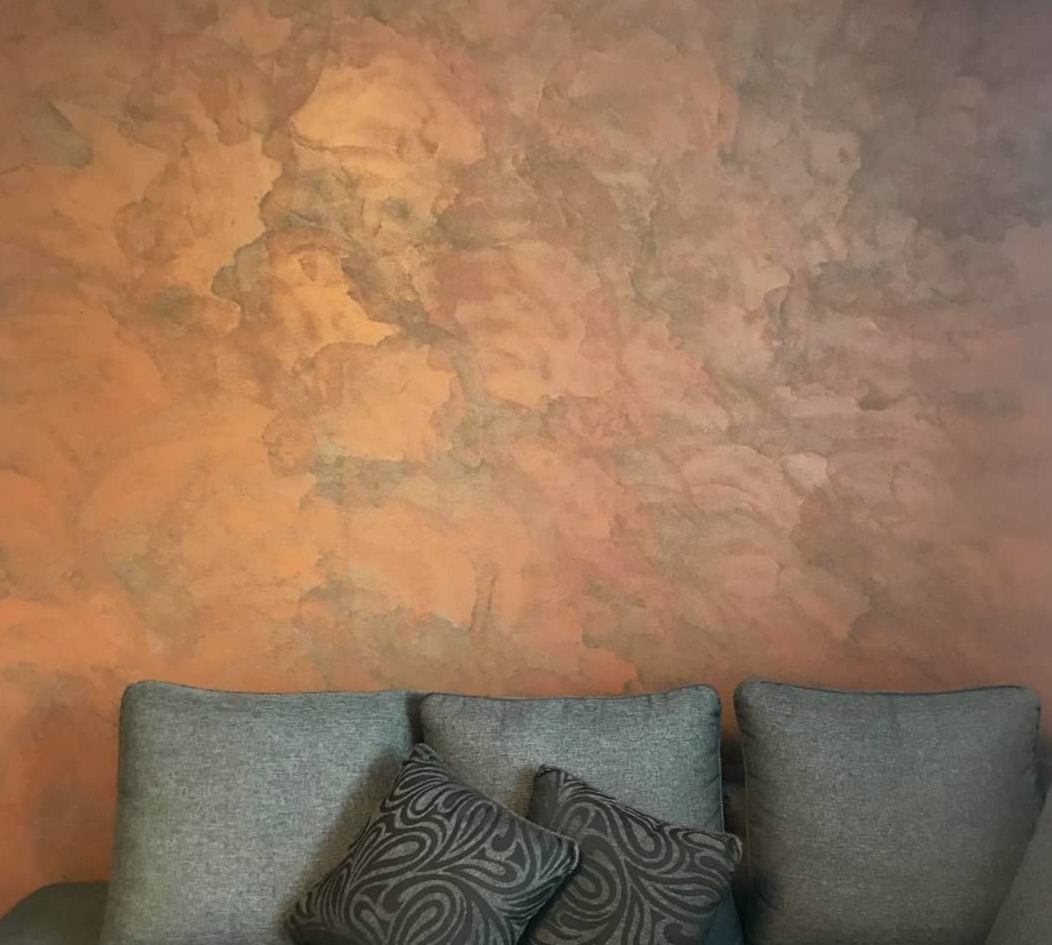
A wall can look beautifully refined on installation day and still become a practical frustration six months later if the finish is wrong for the room. That is why one of the most common questions clients ask is simple: is polished plaster washable? The short answer is yes, often it is - but not all polished plaster finishes offer the same level of washability, and the final performance depends on the material, the sealer and where the surface is used.
For design-led interiors, polished plaster sits in a rare category. It delivers depth, movement and a hand-applied luxury that paint cannot match, yet it can also be specified with durability in mind. The key is understanding what "washable" really means in practice, rather than assuming every decorative plaster will behave like a scrubbable vinyl emulsion.
Is polished plaster washable in everyday use?
In many settings, yes. A well-installed polished plaster surface can usually be wiped clean of light marks, dust and everyday surface dirt. That makes it suitable for feature walls, hallways, living spaces, bedrooms and many commercial interiors where appearance matters just as much as performance.
However, washable does not always mean heavily scrub-resistant. Polished plaster is a broad term covering several decorative finishes, from smooth Venetian plaster to more textured, mineral-rich surfaces. Some are naturally more absorbent than others. Some are protected with soap, wax or specialist sealers. Some are intended to age softly and develop character, while others are designed to be more resistant to moisture and staining.
So the real answer is this: polished plaster can be washable, but the level of washability should be matched to the space.
What affects whether polished plaster is washable?
The biggest factor is the finish system itself. Traditional lime-based polished plaster has a beautifully natural, breathable quality and a depth that feels distinctly artisan. In the right environment, it performs very well. But because lime plasters are mineral-based, they are not automatically the best choice for aggressive cleaning or frequent contact with grease, splashes or harsh products.
A protective topcoat changes that significantly. When polished plaster is finished with the correct wax, soap or specialist sealer, the surface becomes far easier to maintain. This added protection can help repel light moisture, reduce staining and make cleaning more straightforward.
Application quality matters too. A premium hand-applied finish should be compacted and finished correctly so the surface is dense, refined and consistent. Poor application can leave weak spots, uneven absorbency or a finish that marks more easily than it should.
Then there is the issue of texture. Highly polished, smooth surfaces are generally easier to wipe down than heavily textured decorative finishes. Texture creates drama and movement, but it can also trap dust or make spot cleaning less simple.
The role of sealers and waxes
If you are asking, is polished plaster washable, the sealer is often where the answer is decided. A decorative plaster with no suitable protective treatment may still be cleanable, but it will be more vulnerable to water marks, staining and wear. A properly sealed system offers a more practical surface for busy interiors.
That does not mean every polished plaster wall should be coated in a thick protective layer. In luxury interiors, there is always a balance between preserving the natural beauty of the material and increasing its resistance. The right specification depends on the desired aesthetic as much as the practical demands of the room.
Where polished plaster works well
In most residential spaces, polished plaster is more than practical enough. Living rooms, dining rooms, bedrooms, entrance halls and stairways all benefit from its visual depth and elegant finish, while requiring only gentle cleaning.
In boutique commercial settings, it can also perform beautifully. Reception walls, hospitality spaces, salons, restaurants and high-end retail interiors often choose polished plaster because it creates a strong design statement without feeling flat or mass-produced.
Bathrooms are another area where polished plaster can work well, provided the right system is used. Certain finishes are well suited to humid conditions and can offer a seamless, refined alternative to tiles. The specification here is critical, especially in splash zones.
Where extra caution is needed
Kitchens, children's rooms and heavy-traffic commercial environments need more careful planning. That does not mean polished plaster is unsuitable. It means the finish should be chosen with realistic expectations.
Behind a hob, for example, grease and food splashes place different demands on a wall than a dining room feature surface. In a busy corridor, repeated contact from bags, coats or furniture can create wear points. In these areas, washability is not just about whether a mark can be removed. It is about how the finish holds up over time without losing its visual quality.
If the room is likely to face repeated splashing, staining or abrasion, a more protective plaster system - or an alternative surface finish in selected zones - may be the better design decision.
How to clean polished plaster properly
The best approach is always gentle. For routine care, a soft dry cloth or microfibre cloth is usually enough to remove dust. For light marks, a damp cloth with clean water often does the job. The aim is to lift dirt without saturating the surface or using anything abrasive.
Strong chemical cleaners are best avoided unless the installer has confirmed the finish is compatible with them. Acidic, bleach-based or heavily alkaline products can damage the surface, affect the sheen or weaken the protective layer. Scrubbing pads are equally risky. They may remove the mark, but they can also dull the finish or leave visible disruption in the texture.
It is also wise to deal with spills or marks quickly. The longer something sits on the surface, the greater the chance of staining, especially on more natural lime-based finishes.
What not to use
A polished plaster wall is not a surface for trial-and-error cleaning. Avoid anything abrasive, strongly perfumed, solvent-heavy or designed for industrial degreasing. Even if the wall appears durable, decorative plaster is still a crafted finish, not a hard plastic coating.
If a mark is stubborn, the right solution is not always a harsher cleaner. In some cases, professional advice is the better route, particularly on bespoke surfaces where sheen, movement and tonal variation are part of the beauty.
Washable does not mean maintenance-free
One of the strengths of polished plaster is that it ages with more character than standard paint. Minor tonal variation and gentle patina can actually enhance the surface rather than detract from it. That is part of its appeal in luxury interiors.
But clients should still think in terms of care rather than zero maintenance. High-touch areas may eventually need attention. Depending on the finish, that could mean a refresh coat, localised repair or re-waxing to keep the surface looking its best.
This is where specialist installation adds real value. A properly specified and professionally applied finish is not just about the day it is completed. It is about how the wall continues to perform and present itself years later.
Is polished plaster better than paint for washable walls?
Sometimes yes, sometimes no. If your only priority is a cheap, highly scrubbable wall for a utility room, specialist paint may be the more practical answer. But that comparison misses the reason polished plaster is chosen in the first place.
Polished plaster offers depth, texture and material richness that paint cannot replicate. It transforms a wall into a feature, adding movement, softness and a bespoke quality that suits premium residential and commercial interiors. If specified correctly, it can also be cleanable enough for everyday life.
The better question is not whether polished plaster beats paint on pure scrub resistance. It is whether you want a surface that combines elegant durability with artisan character. For many design-conscious clients, that balance is exactly the point.
Choosing the right polished plaster for a washable finish
If washability is a priority, it should be part of the conversation from the start. The room, the level of contact, the exposure to moisture and the desired visual effect all need to work together.
A soft matt mineral finish may be perfect for a calm bedroom wall, while a denser, sealed Venetian plaster finish may be the smarter choice for a hallway or bathroom. Texture, sheen and protection should be considered as one complete system rather than separate decisions.
That is why bespoke specification matters. A premium finish should not simply look luxurious in a sample board. It should suit the way the space is actually used.
For homeowners, designers and commercial clients investing in statement interiors, the answer to is polished plaster washable is reassuringly positive - provided the finish is selected with care. The beauty of polished plaster is not just that it looks exceptional, but that it can be tailored to deliver practical performance alongside visual impact. If you want walls that feel elevated and live well in the real world, the right finish makes all the difference.


Comments