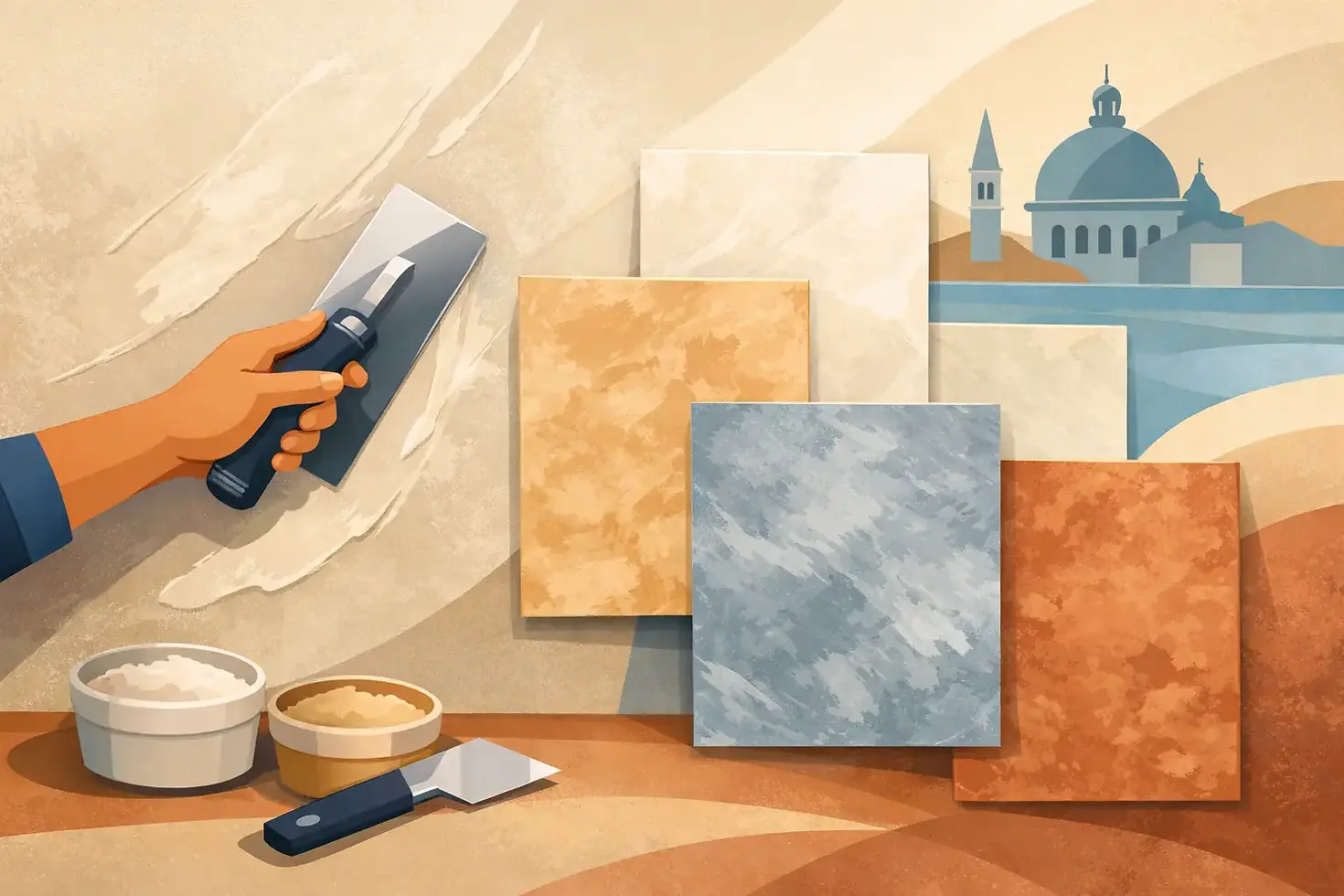
Venetian Plaster Finish Texture Explained
- aurasuface
- Apr 11
- 6 min read
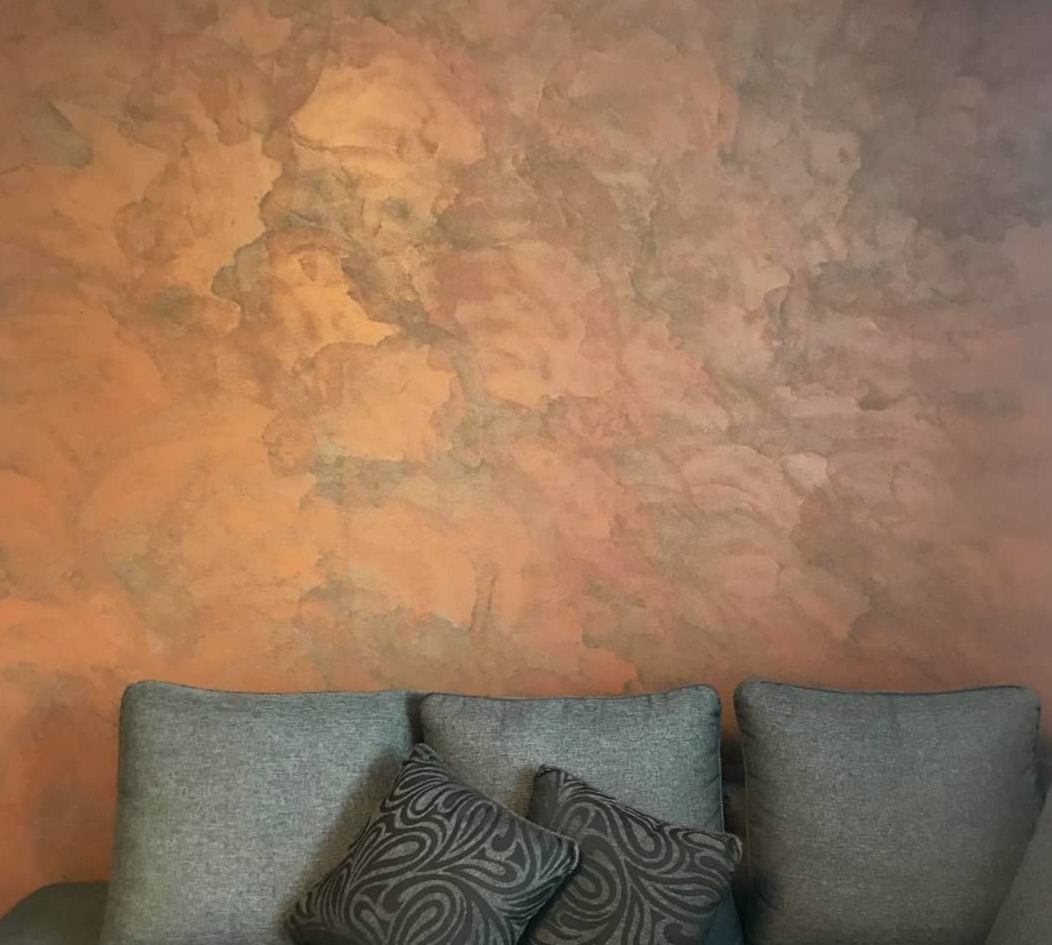
A wall can change the whole mood of a room before furniture, lighting or artwork has a chance to speak. That is why Venetian plaster finish texture matters so much. It is not simply a decorative coating. It is the part of the surface that catches light, creates movement and gives a space that quiet sense of depth that flat paint cannot replicate.
For design-led interiors, texture is often the difference between a room that looks finished and one that feels considered. Venetian plaster brings that distinction through hand-applied variation, tonal layering and a naturally luxurious surface quality. The appeal is visual, but it is also tactile. You notice it when the light shifts across the wall in the morning, and again in the evening when the room feels softer and more atmospheric.
What Venetian plaster finish texture really means
When people talk about Venetian plaster, they are often picturing a polished, marble-like wall. That look is certainly part of its appeal, but texture within Venetian plaster is broader than high shine alone. The finish can be silky and smooth, softly clouded, lightly mottled or more characterful with visible movement from the trowel.
The texture comes from the application method as much as the material itself. Each pass of the trowel compresses, layers and shapes the plaster differently. That creates subtle highs and lows, shifts in sheen and natural tonal variation. Even the most refined finish still carries the signature of hand craftsmanship, which is exactly what gives it depth.
This is also why no two walls are identical. A bespoke plastered surface should feel consistent across the room, but never machine-flat or overly uniform. That slight variation is part of its luxury.
Types of Venetian plaster finish texture
Not every project calls for the same expression of texture. The right choice depends on the architecture, the light in the room and how bold or restrained the overall interior scheme needs to be.
Polished and marble-like
This is the finish many clients ask for first. It has a smooth, compacted surface with elegant movement and a soft to high sheen depending on the chosen system. In bright natural light, it reflects gently and gives walls a stone-like quality that feels refined rather than glossy.
It works beautifully in entrance halls, feature walls, powder rooms and open-plan living spaces where you want a clean, elevated backdrop. The trade-off is that highly polished finishes tend to show the character of the wall more clearly, so strong preparation and skilled application matter.
Soft matte and velvety
A matte Venetian plaster finish texture offers a quieter kind of luxury. Instead of reflection, it relies on depth of colour and soft tonal movement. The result is understated, architectural and especially effective in bedrooms, lounges and boutique commercial interiors where atmosphere matters more than shine.
This type of finish suits clients who want richness without too much visual drama. It can also sit more comfortably alongside natural timber, brushed metals and softer textiles.
Textured and expressive
Some interiors benefit from a more pronounced plaster texture with greater movement across the surface. This may include a layered, weathered or mineral effect that gives the wall a more sculptural presence. It is ideal for statement spaces, hospitality settings or contemporary homes that need a stronger design feature.
The key is balance. More texture brings more character, but it should still feel intentional and elegant rather than heavy-handed.
Why texture changes how a room feels
Texture affects more than appearance. It changes the way a room handles light, scale and mood.
Smooth painted walls tend to read as flat, especially in larger spaces. Venetian plaster adds visual movement, so the wall feels alive even when the palette is neutral. This is particularly effective in schemes built around stone, oak, linen, bronze or warm minimalism, where the beauty comes from material contrast rather than loud colour.
It can also make a room feel more expensive. That is not because it is flashy. Quite the opposite. A hand-applied plaster finish has a depth and restraint that signals craftsmanship. It feels bespoke because it is bespoke.
In commercial interiors, that quality can help shape brand perception. Reception areas, restaurants, salons and boutique spaces often use textured plaster to create a polished first impression that standard paint rarely achieves.
Choosing the right Venetian plaster finish texture
The best finish is rarely the one with the most shine or the strongest pattern. It is the one that suits the space.
Light is usually the first consideration. A room with strong natural daylight can carry more movement and sheen because the surface has enough illumination to show it well. In darker rooms, a softer texture may feel richer and more balanced, rather than trying to force reflection where there is little light to work with.
The second factor is scale. In a compact cloakroom or feature niche, a dramatic polished finish can feel striking and jewel-like. Across a large open-plan wall, a subtler texture may be more timeless. Too much contrast across a broad surface can become visually busy.
Then there is the wider palette. Venetian plaster should work with the rest of the interior, not compete with it. If the room already includes patterned stone, statement lighting and bold joinery, a calm plaster texture often gives the scheme room to breathe. If the architecture is simple and restrained, the wall finish can take on more of the design weight.
Colour and texture work together
Colour choice changes the way texture reads. A pale plaster in chalky ivory, warm beige or soft greige tends to show movement through light and shadow. Darker tones such as charcoal, olive, clay or deep taupe often make the texture feel moodier and more enveloping.
Metallic or highly reflective effects can add drama, but they are not right for every project. In many luxury interiors, the most convincing result comes from nuanced mineral tones that feel natural and layered rather than overtly decorative.
This is where bespoke sampling becomes valuable. A finish may look completely different depending on the room orientation, surrounding materials and time of day. The same plaster texture can appear crisp and luminous in one setting, then soft and cocooning in another.
Beauty is only part of the brief
A premium surface still has to perform. Venetian plaster is often chosen for its luxury appearance, but its durability is part of the attraction too. When correctly specified and professionally applied, it creates a hard-wearing finish suited to everyday interiors.
That said, performance depends on the product system and the location. A decorative feature wall in a sitting room has different requirements from a bathroom, hallway or commercial space. Some finishes can be sealed for greater moisture resistance and easier maintenance. Others are better suited to drier, lower-impact areas where the emphasis is purely aesthetic.
This is one of those areas where it depends. There is no single best finish for every room. The right specification balances look, use and longevity.
Why application matters as much as the material
Venetian plaster is not a product you simply buy off the shelf and expect to look exceptional. The finish is created by the craft. Surface preparation, layering technique, pressure, timing and polishing all influence the final texture.
That is why the difference between average and outstanding Venetian plaster is immediately visible. A poorly executed wall can look patchy, harsh or overworked. A well-executed one feels composed, balanced and effortless, even though it is anything but effortless to produce.
For homeowners, designers and developers, this matters because the finish becomes part of the architecture. It is not an accessory that can be swapped out casually. It needs to be right.
Where Venetian plaster finish texture works best
Some of the most striking applications are feature walls behind beds, fireplaces and staircases, but the finish is equally effective when used more expansively. Entrance halls gain instant presence. Dining spaces feel more layered. Boutique commercial interiors benefit from a stronger sense of identity and quality.
Bathrooms can also be transformed with the right plaster system, particularly when the goal is a seamless, spa-like look rather than visible tile lines. In these settings, material specification is especially important.
For clients looking to create a polished interior with long-term appeal, the value lies in choosing texture with intention. Not every wall needs to make a statement. The most refined spaces often rely on one or two beautifully finished surfaces that set the tone for everything else.
Aura Surface approaches Venetian plaster in exactly that spirit - as a bespoke design feature that must perform visually and practically within the wider scheme.
The best textured walls do not shout for attention. They hold it. If you are planning a space that needs more depth, more atmosphere and a more considered finish than paint can offer, Venetian plaster is often where the room starts to become memorable.


Comments