Epoxy Flooring Cost: What You Really Pay
- aurasuface
- Apr 21
- 6 min read
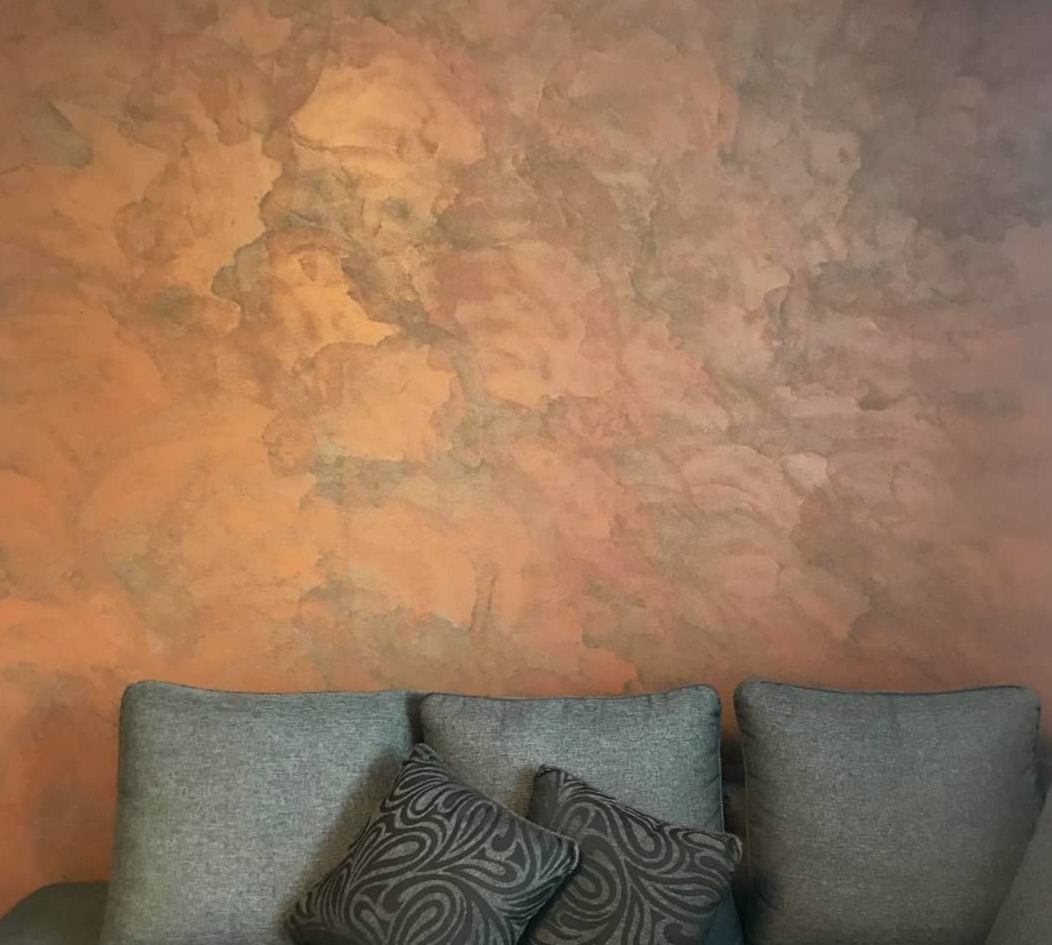
A low epoxy flooring cost can look appealing on paper, but resin flooring is one of those finishes where the cheapest quote often hides the most expensive compromises. If the substrate is poorly prepared, the finish can fail early. If the design brief is ignored, the floor may perform well enough but still fall flat in the space.
For homeowners, designers and commercial clients alike, the real question is not simply what epoxy flooring costs. It is what level of finish, durability and visual impact that price actually buys. In a design-led interior, flooring is not background. It sets the tone of the room, reflects light, shapes the palette and has to cope with daily wear without losing its appeal.
What affects epoxy flooring cost?
Epoxy flooring cost is shaped by more than square metreage. Size matters, of course, but so do condition, specification and finish.
The biggest cost factor is usually preparation. A sound, level substrate is essential for a seamless result. If a floor needs grinding, crack repair, moisture treatment or levelling, that work will sit underneath the visible finish but makes all the difference to longevity. A beautiful resin surface is only as good as the base beneath it.
The next factor is the system itself. A simple single-colour coating in a utility space will sit at the lower end of the range. A high-build, multi-layer decorative floor with bespoke pigmentation, metallic effects or a refined gloss level will naturally cost more. Premium epoxy resin flooring is not just a covering. It is a crafted surface, often tailored to the architecture and lighting of the room.
Access also affects price. A clear, empty ground-floor space is easier and quicker to install than a tight renovation site with restricted access, staged works or out-of-hours scheduling. Commercial projects may also require faster curing times, phased installation or added slip resistance, all of which influence cost.
Typical epoxy flooring cost in the UK
As a broad guide, epoxy flooring cost in the UK often starts at around £80 per square metre for more straightforward applications and can rise to £150 per square metre or more for premium decorative finishes. In some bespoke projects, especially where design customisation and intensive preparation are involved, costs can go beyond that.
That range is wide because resin flooring is not one standard product. A garage floor, a boutique retail interior and an open-plan kitchen-living space may all use epoxy, but the performance requirements and visual expectations are very different.
A residential client looking for a luxurious, glass-like finish should expect pricing to reflect both artistry and technical delivery. The same applies to designers specifying a floor that must align with a particular interior scheme rather than simply provide a hard-wearing surface.
If a quote seems unusually low, it is worth asking what has been excluded. Surface preparation, edge detailing, topcoat quality and aftercare guidance are all areas where cheaper proposals can cut corners.
Why small areas can cost more per metre
One of the most common surprises with epoxy flooring cost is that smaller spaces often have a higher per-square-metre price. That is not because the material suddenly becomes more expensive. It is because a significant part of the work sits in setup, preparation, detailing and site time.
Whether a floor is 12 square metres or 60, the installer still needs to prepare the substrate, mask the area, mix the system correctly and apply each layer with care. On compact bathrooms, kitchens or entrance zones, there is less area over which to spread those fixed labour costs.
This is why resin flooring tends to offer particularly strong value in larger, open spaces where its seamless finish can be appreciated fully. In those settings, the visual effect becomes more dramatic while the cost efficiency often improves.
Finish level changes the price
Not all epoxy floors are designed to look the same, and this is where costs can shift quickly.
A practical finish in a plant room or workshop is priced differently from a decorative interior surface intended to elevate the whole feel of a home or commercial setting. Colour choice, sheen level, depth, reflectivity and special effects all influence the final figure.
Solid colours are usually the most straightforward. Quartz blends, flake systems and anti-slip textures add complexity. Metallic or marbled effects, meanwhile, are more artisan in nature. These finishes require a higher level of control and design awareness to achieve a balanced, high-end result rather than a floor that feels overworked.
In premium interiors, subtlety often matters more than novelty. A bespoke tone that complements plaster walls, joinery and natural light can transform a room far more effectively than a standard off-the-shelf colour. That level of refinement is part of the investment.
Preparation is where value is protected
If there is one area where epoxy flooring cost should never be judged too quickly, it is substrate preparation.
Grinding, repairs and moisture management are rarely the glamorous part of a flooring project, but they are what protect the finish. Skipping this stage may reduce the initial quote, yet it increases the chance of bubbling, poor adhesion, unevenness or premature wear.
In renovation projects, existing floors are rarely perfect. Old adhesive residue, hairline cracks, patch repairs and undulation all need to be assessed properly before installation begins. A specialist contractor will price for what the floor actually needs, not just what the client hopes it needs.
That is often the difference between a decorative surface that still looks exceptional years later and one that begins to disappoint far too soon.
Residential and commercial pricing are not identical
Residential clients often focus on finish quality, colour customisation and how the floor works visually with the rest of the home. Commercial clients may place more emphasis on durability, maintenance, slip resistance and programme.
That difference affects epoxy flooring cost. A boutique salon, showroom or hospitality space may need a highly polished aesthetic but also require the installation to happen within a tight fit-out schedule. A private home may allow more flexibility, yet involve more bespoke detailing around cabinetry, islands or thresholds.
Neither approach is automatically cheaper. It simply depends on what the floor is being asked to do.
Is epoxy flooring worth the cost?
For the right space, yes. Resin flooring offers a combination of seamlessness, durability and design freedom that standard floor finishes struggle to match.
There is a clear value case in practical terms. Epoxy floors are easy to maintain, resistant to heavy wear and free from grout lines or joints that collect dirt. In commercial interiors, that can support hygiene and reduce maintenance disruption. In homes, it creates a cleaner, more architectural look.
But the stronger argument is often aesthetic. A high-performance resin floor can make a room feel calmer, more expansive and more considered. Light moves differently across a seamless surface. Colours feel more unified. The finish becomes part of the interior design rather than an afterthought.
For clients who care about how a space feels as much as how it functions, that design value matters.
How to compare epoxy flooring quotes properly
When reviewing quotations, it helps to look beyond the total figure. Ask what preparation is included, what system is being specified and what finish standard you should expect.
You should also check whether the quote covers edge details, primer coats, topcoats and any slip-resistant or decorative elements. Some proposals may price a basic coating while others include a fuller, more durable build-up. Without understanding that difference, two quotes can appear comparable when they are not.
Portfolio quality is also a useful indicator. Resin flooring is technical, but it is also visual. If the finish is going into a design-led interior, the installer should be able to demonstrate control, consistency and a strong eye for detail. A premium floor needs both craftsmanship and material knowledge.
For clients in Staffordshire planning a bespoke interior upgrade, working with a specialist such as Aura Surface can make that process far more considered, especially where the goal is not just coverage but a genuinely elevated result.
When premium epoxy flooring makes sense
A premium specification is usually worth it in spaces where the floor plays a visible role in the design. Open-plan kitchens, contemporary extensions, retail environments, salons, studios and showrooms all benefit from the clean visual continuity resin can provide.
It also makes sense where durability matters alongside appearance. If the floor needs to look refined while standing up to foot traffic, spills and day-to-day use, investing in a better system is often more economical than replacing a lesser finish later.
There are cases where a simpler solution may be enough. Back-of-house rooms, purely functional utility areas or low-priority zones do not always require a bespoke decorative approach. That is where an honest specification matters. The right finish is not always the most elaborate one. It is the one that suits the space properly.
Epoxy flooring cost is best understood as a design and performance decision, not just a price per metre. When the specification is right, the installation is meticulous and the finish is tailored to the room, resin flooring delivers something standard surfaces rarely can - practical luxury that lasts.


Comments