
Epoxy Resin Flooring Designs That Transform
- aurasuface
- Apr 19
- 6 min read
A floor can set the entire tone of a room before the furniture is in place. The right surface makes light feel sharper, colours feel richer and the whole interior feel more considered. That is why epoxy resin flooring designs have become such a strong choice for clients who want more than a practical finish. They want a surface that looks refined, feels contemporary and performs beautifully under daily use.
In design-led interiors, flooring is no longer a background decision. It is part of the visual language of the space. Epoxy resin offers something many traditional materials cannot - a seamless, high-performance finish with genuine scope for bespoke design. From understated satin textures to striking glass-like floors, it gives homeowners, designers and commercial clients far more creative control than standard tile, timber or vinyl solutions.
Why epoxy resin flooring designs stand out
The appeal starts with the surface itself. Resin creates a continuous floor without grout lines, joins or visual interruptions, which immediately gives a room a cleaner and more architectural feel. In open-plan homes, boutique retail spaces and hospitality settings, that uninterrupted finish can make the whole scheme feel calmer and more luxurious.
Then there is the way resin handles light. A polished, high-gloss finish can reflect natural daylight and artificial lighting in a way that lifts the room and adds depth. A softer satin or matt specification creates a more restrained, contemporary look. Neither is automatically better - it depends on the interior palette, how much movement the space sees and the atmosphere you want to create.
Performance matters too. A decorative floor still needs to cope with foot traffic, cleaning routines and the realities of everyday life. Epoxy resin is valued not only for its visual clarity but for its durability, stain resistance and ease of maintenance. That balance of beauty and resilience is what makes it so relevant for premium interiors.
The most popular epoxy resin flooring designs
The strongest resin floors are usually the ones that feel intentional rather than overworked. Good design starts with the character of the space, not just the material.
Solid colour resin floors
A single-colour floor is often the most elegant option. Crisp white, warm ivory, soft taupe, charcoal and deep graphite remain popular because they support the architecture rather than competing with it. In minimalist interiors, a solid resin floor can make joinery, lighting and furniture stand out with more precision.
This approach also works particularly well when colour continuity matters. If you are trying to connect kitchen, dining and living areas, one seamless tone can create flow that timber planks or tiled formats often interrupt. Bespoke colour matching is where resin becomes especially useful, allowing the floor to sit comfortably within a carefully developed scheme rather than forcing a compromise.
Marble-effect and clouded finishes
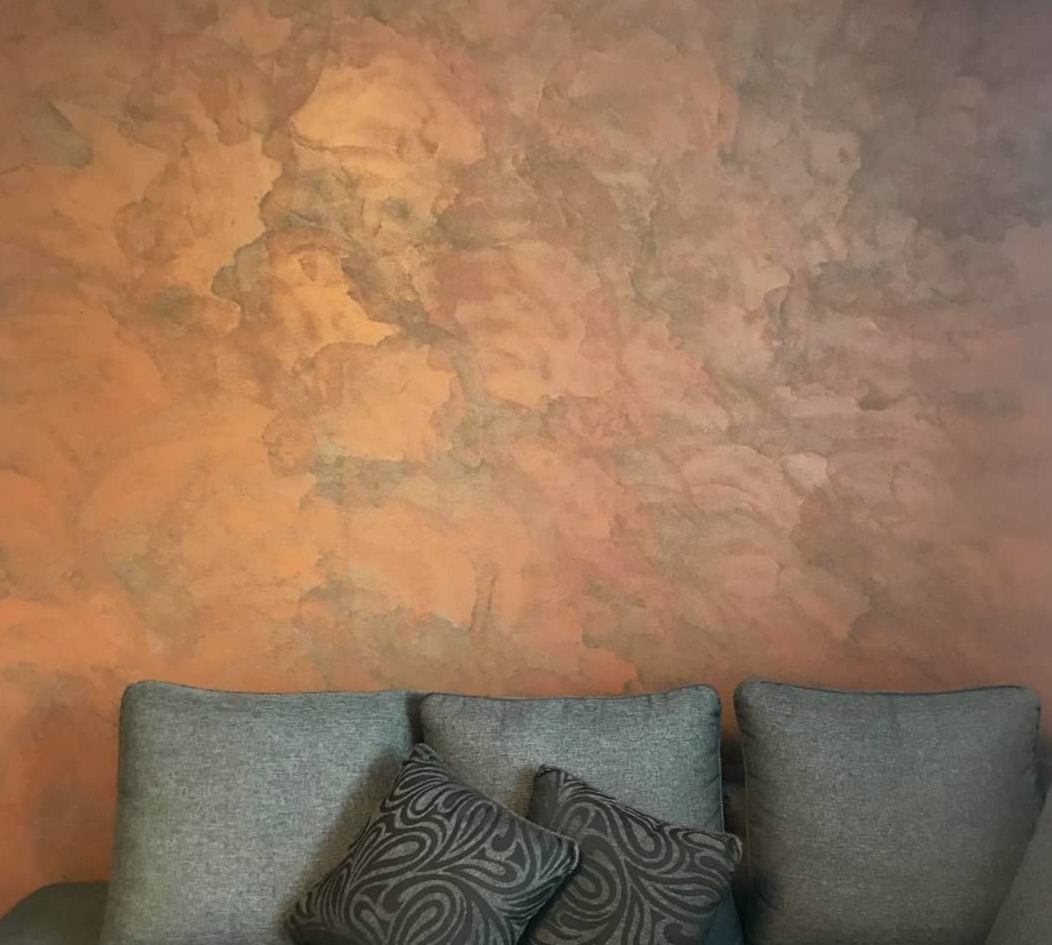
For clients who want more movement, marble-inspired and softly clouded designs bring texture without the practical limitations of natural stone. These effects use tonal variation, layering and hand-applied technique to create depth across the floor. The result can be subtle and elegant or more dramatic depending on the contrast in colour and the finish level.
This is often a good choice for statement bathrooms, open-plan living spaces and commercial interiors where a luxury feel is important. The effect feels bespoke because it is. Unlike mass-produced flooring, hand-finished resin has variation built into it, which gives the surface a more artisan quality.
Metallic and reflective effects
Some epoxy resin flooring designs lean into drama. Metallic pigments and reflective finishes create movement, shimmer and a more sculptural surface appearance. Used well, this can be striking in bars, salons, showrooms and high-end hospitality settings where the floor is meant to support a memorable brand experience.
At home, this look needs more restraint. In the right setting, a metallic resin floor can feel bold and sophisticated, but it can also dominate a space if the surrounding design is already busy. It tends to work best where the architecture is clean and the rest of the palette is controlled.
Terrazzo-style resin finishes
For clients who like the character of terrazzo but want a smoother, more contemporary interpretation, resin can deliver that visual interest in a more seamless way. Flecked or aggregate-inspired finishes bring pattern into the room while still reading as polished and modern.
This is useful in commercial settings where durability and easy cleaning are non-negotiable, but it also suits utility spaces, kitchens and hallways in design-conscious homes. The finish has more personality than a plain floor, yet still feels considered rather than fussy.
Choosing the right look for the space
A beautiful floor is not chosen in isolation. It needs to respond to scale, light, architecture and use.
In smaller rooms, lighter resin tones can open the space and make it feel less segmented. In large open-plan areas, darker finishes can create depth and a stronger sense of grounding. Gloss levels matter just as much as colour. A high-gloss floor can feel expansive and luxurious, but it will also show reflections more clearly. A satin finish is often a more understated choice for busy family homes or commercial environments that need a softer visual effect.
The surrounding materials should guide the design as well. If the space includes warm timber joinery, brushed brass details or textured plaster walls, the resin floor should complement that richness rather than clash with it. Cooler grey schemes can benefit from a warmer resin tone to avoid the interior feeling flat. Where the walls already carry strong texture, a cleaner floor finish often creates better balance.
Design freedom without visual clutter
One of the strongest qualities of resin is that it offers customisation without relying on obvious pattern. That matters in luxury interiors. Bespoke design does not have to mean louder design.
A floor can be tailored through colour, sheen, tonal movement and finish style while still feeling calm and refined. That is often the difference between a premium result and a trend-led one. The best resin floors do not just catch attention on the day they are installed. They continue to work as the rest of the interior evolves.
For architects and interior designers, this flexibility is particularly valuable. It allows the flooring to support a wider concept rather than dictating it. For homeowners and renovators, it means the finish can feel personal without becoming limiting.
Practical considerations behind luxury results
The visual result only works if the installation is done properly. Surface preparation, substrate condition and application skill all have a direct effect on the finish. A resin floor may look effortless once complete, but achieving that level, seamless appearance requires technical precision and a strong eye for detail.
This is also where expectations should be realistic. Resin is an exceptionally versatile material, but every site is different. Existing floor condition, moisture levels, room use and desired finish all influence what specification is appropriate. In some cases, a high-gloss statement floor is exactly right. In others, a softer, more forgiving finish will suit the project better over time.
Commercial clients may need additional consideration around slip resistance and maintenance routines. Residential clients may be more focused on comfort, aesthetics and how the surface works with underfloor heating. Good design always sits alongside practical judgement.
Where epoxy resin flooring designs work best
Resin is often associated with modern kitchens and open-plan living areas, and for good reason. It creates visual flow, handles wear well and complements contemporary architecture beautifully. But its design potential extends much further.
In bathrooms, it can produce a sleek, spa-like finish with fewer visual breaks than tile. In hallways, it brings durability to a hard-working part of the home while keeping the entrance feeling polished. In boutique commercial interiors, it supports a premium brand image and stands up to regular traffic. In offices and studios, it can help create a more curated, design-led environment.
For clients in Staffordshire planning a renovation or commercial fit-out, the value is often in the combination of aesthetics and longevity. A well-executed resin floor does not ask you to choose between the two.
What makes a resin floor feel truly bespoke
Bespoke design is not just about selecting a colour chart option. It is about understanding how a surface should behave in the room - how much light it should reflect, how calm or expressive it should feel, and how it should connect with the wider interior story.
That may mean a quiet stone-toned floor that lets architectural details lead. It may mean a high-gloss finish that turns a simple extension into a statement space. It may mean subtle tonal movement that adds interest only when the light catches it.
At its best, resin flooring feels integrated rather than applied. That is where specialist craftsmanship matters most. The finish should look effortless, even though the thinking behind it is anything but.
If you are considering epoxy resin flooring designs, the most successful approach is to start with the feeling you want the room to have, then build the finish around that. The right floor does more than complete a space. It gives it presence.


Comments