
9 Seamless Floor Finish Ideas for Luxury Spaces
- aurasuface
- May 4
- 6 min read
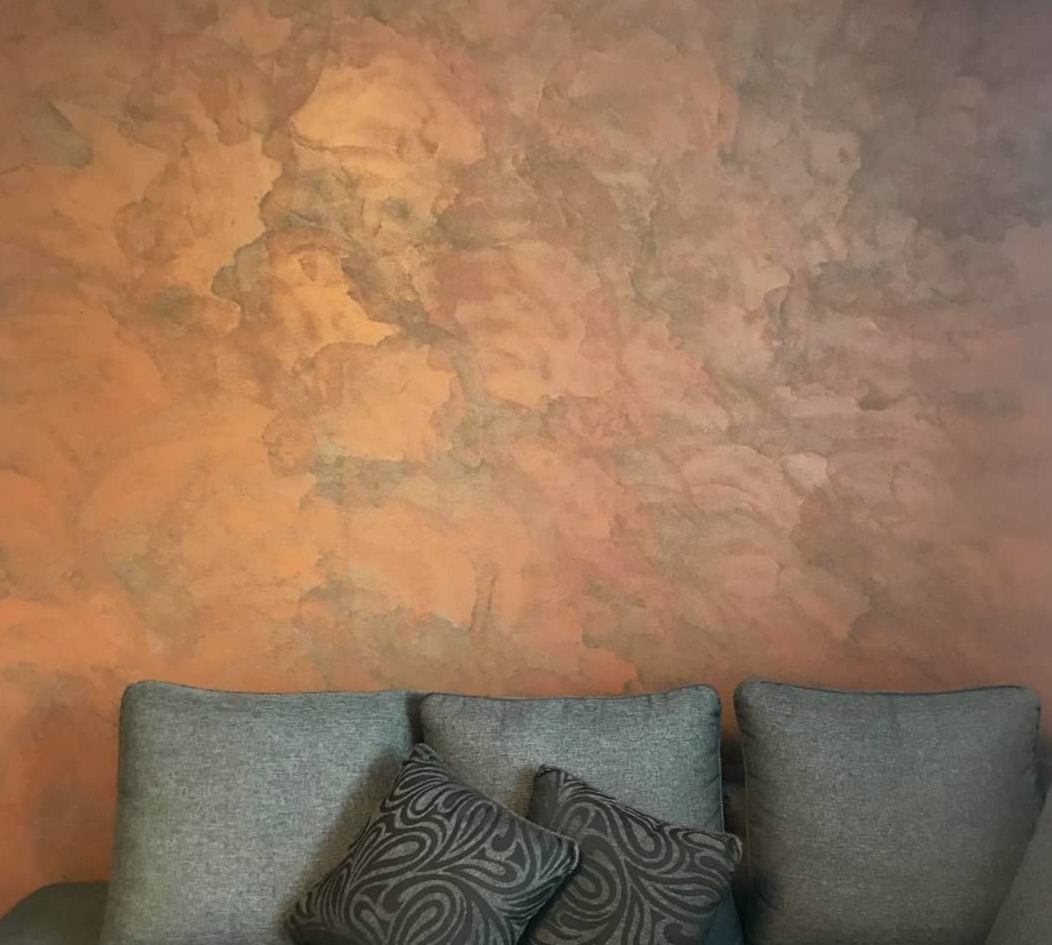
The moment you remove grout lines, thresholds and visual breaks, a room starts to feel calmer, sharper and far more considered. That is why seamless floor finish ideas have become such a strong choice for design-led interiors - not simply because they look refined, but because they change how a space reads. Floors begin to feel architectural rather than purely functional.
For homeowners, designers and commercial clients, the appeal is clear. A continuous surface can make compact rooms feel broader, give open-plan spaces more cohesion and create a cleaner backdrop for furniture, lighting and joinery. The right finish also delivers practical value, whether that means easy cleaning, water resistance, impact strength or a more hard-wearing surface for daily use.
Why seamless floor finish ideas work so well
Traditional flooring often divides a room into smaller visual sections. Planks, tiles and patterned layouts all have their place, but they bring joints, rhythm and interruption. A seamless finish does the opposite. It simplifies the floor plane and lets texture, sheen and colour do the visual work.
That matters in contemporary schemes, but it also suits period properties being updated with a more restrained interior palette. When the floor is calm and continuous, statement elements such as cabinetry, sculptural furniture or hand-applied wall finishes can stand out more clearly.
There is also a practical side. Fewer joints mean fewer places for dirt to gather. In kitchens, bathrooms, retail spaces and salons, that can make maintenance noticeably easier. Still, not every finish suits every brief. Some offer a glass-like appearance, others feel softer and more mineral. Some are better for wet areas, while others are chosen mainly for their natural, artisan character.
1. Epoxy resin for a polished, high-performance finish
Epoxy resin remains one of the most striking options for anyone wanting a sleek, contemporary floor. It creates a continuous surface with a refined, often light-reflective appearance that can feel almost liquid under the right lighting. In minimalist homes and premium commercial spaces, that level of visual clarity is hard to beat.
Its practical strengths are just as compelling. A well-installed epoxy floor is durable, easy to maintain and resistant to stains and wear, which makes it particularly strong in kitchens, open-plan living areas, showrooms and boutique business settings. It also offers excellent scope for bespoke colour matching, so the finish can sit quietly within a neutral scheme or become a stronger design feature.
The trade-off is that epoxy has a distinctly modern character. If the brief is warm, rustic or heavily textured, it may feel too crisp unless balanced with timber, soft fabrics or layered natural materials.
2. Polyurethane resin for a softer, more understated look
If epoxy feels a little too glossy for the scheme, polyurethane resin can be a more relaxed alternative. It still delivers a continuous floor, but often with a softer visual finish and slightly more forgiving feel underfoot. That makes it appealing in residential settings where comfort matters as much as aesthetics.
This is a strong choice for clients who want a premium, design-led floor without the higher-shine appearance that some resin systems create. It works especially well in bedrooms, living spaces and calm hospitality interiors where a subtler finish feels more appropriate.
As with any resin system, substrate condition and professional preparation matter. The look may appear effortless once complete, but the quality of the base has a major impact on the final result.
3. Microcement for an architectural, hand-finished surface
Among the most requested seamless floor finish ideas, microcement stands out for its balance of texture and restraint. It has a mineral, hand-applied quality that feels more organic than resin but more contemporary than many traditional materials. The result is elegant, tactile and quietly luxurious.
Microcement suits interiors where the aim is warmth without visual clutter. It can complement contemporary kitchens, spa-style bathrooms and open-plan spaces that need continuity across different zones. Because it can be applied in a wide range of tones, it works equally well in soft limestone shades, deeper greys and more bespoke earth-led palettes.
The key consideration is expectation. Microcement is valued partly because it looks artisanal rather than factory-made. Subtle tonal movement and texture are part of the appeal. For clients seeking a perfectly flat, highly reflective finish, resin may be the better route.
4. Polished concrete for industrial depth
Polished concrete has long been associated with architectural homes and commercial interiors, and for good reason. It offers depth, permanence and a very grounded visual quality. In larger spaces, it can look exceptional, particularly where natural light draws out the aggregate and tonal variation.
This option is especially effective in extensions, kitchen-diners and modern builds where the structure already supports that clean, robust aesthetic. It pairs beautifully with black metal detailing, oak joinery and expansive glazing.
That said, polished concrete is not always the simplest retrofitted solution. Installation requirements, weight, curing times and the realities of existing subfloors can make it less flexible than applied finishes such as resin or microcement. For some projects, the look is right but the build-up is not.
5. Cementitious overlays for renovation projects
When a full structural concrete floor is unrealistic, cement-based overlays can offer a similar visual language with more flexibility. These systems are applied over suitable existing substrates, helping transform dated floors without the same level of construction work.
They are often chosen in renovations where clients want a pared-back, contemporary feel but need to work within existing floor levels. The finish tends to be more matte and natural-looking than resin, which gives it a sophisticated, understated presence.
As ever, suitability depends on the condition of the base and the environment. A beautiful top layer cannot compensate for movement or poor preparation beneath it.
6. Self-smoothing screed for minimal modernity
A self-smoothing screed finish can create a clean, continuous floor with an intentionally simple appearance. It is often chosen for modern interiors where the aim is not decorative complexity but visual calm. In the right setting, that restraint feels expensive.
This type of finish works well where architecture is already doing much of the talking - double-height spaces, gallery-like rooms and pared-back extensions, for example. It allows cabinetry, furniture and lighting to take prominence while the floor supports the scheme quietly.
Its success depends heavily on detailing. Skirtings, wall finishes and thresholds all need to be resolved carefully, or the simplicity can start to feel unfinished rather than refined.
7. Metallic resin for statement interiors
Some floors are designed to disappear into the scheme. Others are intended to lead it. Metallic resin falls firmly into the second category. With layered movement, depth and a more dramatic reflective quality, it creates a floor that feels expressive and bespoke.
This is not the finish for every project, but in bars, salons, reception spaces or bold residential interiors, it can be exceptional. Used well, it feels luxurious rather than loud. The palette matters here - smoky charcoals, bronze-led tones and muted pewters often age better than trend-driven colours.
Because the finish is visually active, the rest of the interior usually benefits from a degree of restraint. Balance is what keeps it elegant.
8. Matte resin for calm, tonal interiors
Not every resin floor needs to be high shine. Matte and satin resin finishes are increasingly popular for interiors that want continuity and durability without the more reflective effect. They can feel softer, more contemporary and easier to integrate into layered residential schemes.
This approach works particularly well when the goal is a tonal palette that runs through floors, walls and joinery. A muted putty, warm grey or off-white floor can make the whole interior feel more curated and architectural.
For family homes, this can be a smart middle ground - practical enough for everyday life, but elevated enough to feel bespoke.
9. Seamless floor finish ideas for bathrooms and wet rooms
Bathrooms and wet rooms need more than visual impact. Slip resistance, water performance and detailing around drains, corners and junctions all matter. Resin and microcement are both strong contenders here, depending on the final look required.
Resin often suits clients wanting a cleaner, more contemporary finish with excellent practicality. Microcement brings a softer, spa-like quality that feels hand-finished and atmospheric. Both can work beautifully when installed correctly, but wet areas are never the place to cut corners.
This is where specialist application becomes essential. The floor needs to perform first and impress second, even if the best results deliver both.
Choosing the right seamless floor finish
The strongest choice usually comes down to four things: the visual mood, the level of wear, the condition of the existing substrate and the amount of texture you want to see. A luxury kitchen in a busy family home may call for something very different from a boutique retail floor or a calm principal bathroom.
If the interior leans crisp, contemporary and tailored, resin is often the natural fit. If the scheme needs more softness and material character, microcement or a cementitious finish may be better suited. If durability is the priority, high-performance resin systems tend to lead. If artisan texture is part of the design brief, hand-applied finishes bring more nuance.
For clients planning a premium renovation in Staffordshire or further afield, the best results come from treating the floor as part of the wider interior composition. It should work with the wall finish, natural light, cabinetry and overall palette rather than being chosen in isolation.
A well-chosen floor does more than cover a surface. It sets the tone of the entire room, often more powerfully than any other material. If you are weighing up seamless floor finish ideas, start with the atmosphere you want to create - then choose the finish that can deliver that look beautifully, and live with it just as well.


Comments