
Commercial Resin Finishes Guide for Interiors
- aurasuface
- May 1
- 6 min read
A reception floor takes a beating long before it starts to look tired. Footfall, furniture movement, spillages and constant cleaning all expose weak finishes quickly. That is why a commercial resin finishes guide matters - not as a technical checklist for its own sake, but as a way to specify a surface that still looks sharp after real use.
For architects, designers and business owners, resin is appealing for a simple reason. It offers a rare balance of visual impact and practical performance. A well-installed resin floor can feel minimal and luxurious, with a smooth, glass-like appearance that elevates the entire interior, while also standing up to the demands of busy commercial settings.
What commercial resin finishes are really for
Commercial resin finishes are not just about creating a hard-wearing floor. They are about controlling the visual language of a space. In a boutique retail setting, that may mean a sleek, reflective surface that sharpens light and makes products feel more premium. In a salon, showroom or hospitality venue, it may mean a seamless floor that supports a clean, refined atmosphere without visible joins or distracting pattern repetition.
This is where resin differs from many standard commercial flooring options. Tiles introduce grout lines. Vinyl can look flat or overly functional. Timber brings warmth, but in high-traffic or moisture-prone areas it can become a maintenance decision rather than a design one. Resin sits in a different category. It is design-led, highly customisable and capable of delivering a bespoke finish that feels both contemporary and enduring.
That said, it is not one single look. Commercial resin can range from ultra-gloss and mirror-like to satin and more understated. Colour can be tailored to branding, interior palettes or architectural intent. The result can be bold and dramatic or quiet and restrained. The material is versatile, but the success of the finish depends on choosing the right specification for the way the space is actually used.
A commercial resin finishes guide to choosing the right setting
Not every commercial environment needs the same resin floor, even if the aesthetic brief sounds similar. A showroom and a back-of-house prep area may both require durability, but the finish, slip resistance and visual priorities will be completely different.
Front-facing spaces often place appearance first. Reception areas, boutiques, studios and premium offices benefit from resin because it delivers a seamless, polished surface with strong architectural presence. It helps create a sense of order and quality. The absence of joints also makes the floor feel more expansive, which can be especially effective in smaller commercial interiors.
In service-led environments, maintenance becomes more central to the decision. Cafés, salons, clinics and hospitality spaces need surfaces that are easy to clean and resistant to staining, while still presenting the right image to clients. Resin works well here because it can offer both. The key is avoiding a purely aesthetic choice that ignores everyday operational needs.
For industrial-style commercial settings, the conversation changes again. Heavy wear, rolling loads, impact and chemical exposure can all influence the build-up required beneath the final finish. A luxury appearance may still matter, but performance criteria need to lead. This is where a specialist installer becomes especially important, because the specification has to reflect the exact demands of the site rather than a generic product description.
Finish matters as much as colour
When people first consider resin, they often focus on colour. That makes sense, especially in design-led interiors where the floor plays a major role in the overall palette. But finish is just as important.
A high-gloss resin floor creates drama. It reflects light beautifully and gives interiors a crisp, elevated feel. In the right setting, it can look exceptional. It is often the finish clients imagine when they want a clean, contemporary statement surface.
But gloss is not always the right answer. In very bright spaces, strong reflections can become visually busy. In some commercial interiors, a softer satin finish feels more balanced and sophisticated. It still offers a refined, seamless result, but with less glare and a slightly more understated character.
There is also the issue of perception over time. Dark, highly reflective floors can look spectacular, but they may reveal dust, footprints or minor surface marks more readily than mid-tone or satin alternatives. That does not make them a poor choice. It simply means the maintenance expectations should match the finish selected.
Subfloor quality will shape the final result
One of the biggest misconceptions around resin is that it hides problems underneath. In reality, resin tends to expose them. If the substrate is uneven, unstable or poorly prepared, the final finish will suffer.
A premium resin floor begins with proper groundwork. Moisture levels, existing coatings, cracks and surface contamination all need to be assessed before installation starts. This is not the glamorous part of the project, but it is the part that protects the visual result and long-term durability.
For commercial clients working to programme deadlines, this can be a point of tension. There is often pressure to move quickly, especially in fit-outs or refurbishments with multiple trades on site. But rushing preparation is usually where avoidable issues begin. A resin finish should feel precise and intentional. That requires methodical installation, curing time and site conditions that support the material properly.
Design flexibility is where resin stands apart
A strong commercial resin finishes guide should talk about performance, but the real attraction for many premium interiors is freedom of design. Resin is one of the few flooring options that can be tailored with genuine finesse.
Colour matching opens up obvious possibilities. A floor can support a brand palette subtly rather than shouting for attention. Neutral tones can create a gallery-like backdrop. Richer shades can add depth and identity. In hospitality or client-facing spaces, this level of control helps the floor feel integrated with the interior scheme rather than chosen as a practical afterthought.
Texture is another consideration, even when the finished look appears smooth. The degree of sheen, the clarity of the topcoat and the way light travels across the surface all contribute to the atmosphere of the room. In the best projects, the floor is not separate from the design concept. It is one of the features that gives the scheme its confidence.
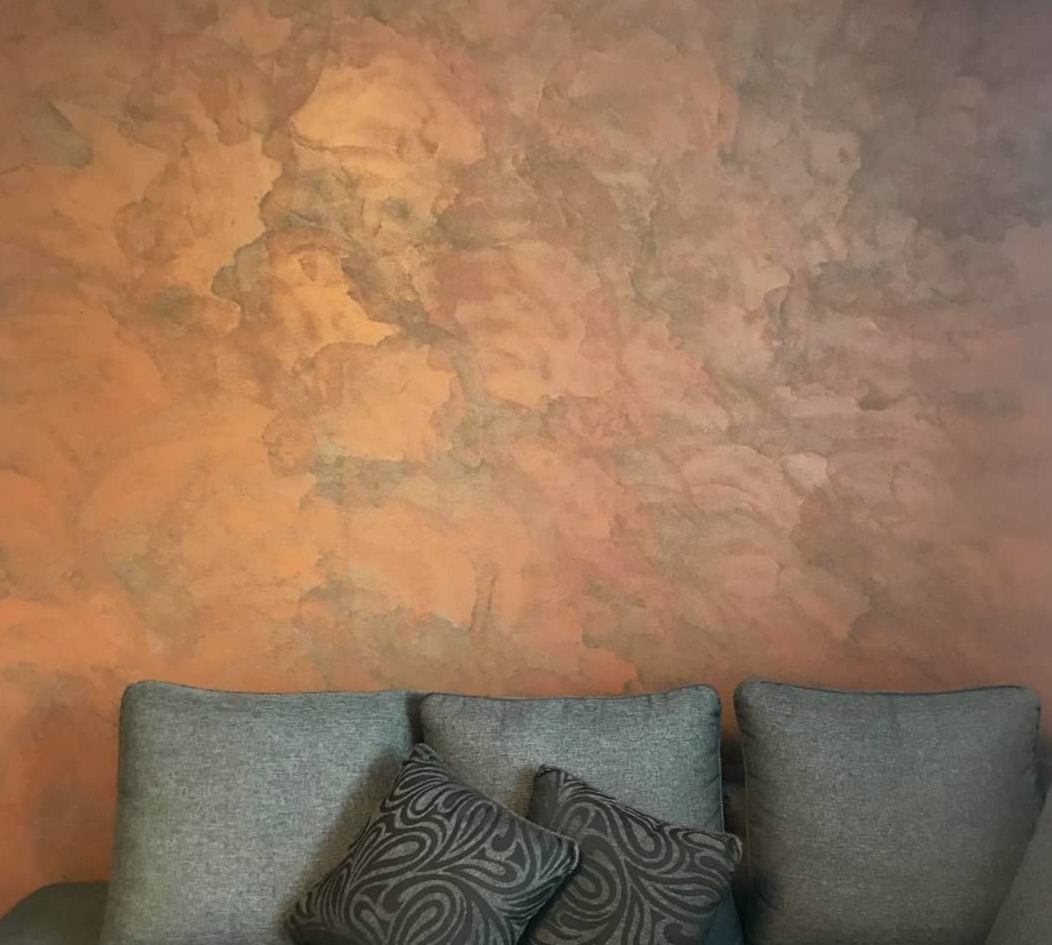
This is especially relevant where walls and floors need to work together. In spaces that pair resin flooring with artisan wall finishes such as Venetian plaster, the result can feel highly resolved - luxurious, minimal and materially rich without becoming overstated.
The trade-offs clients should know before specifying resin
Resin is a premium finish, but no surface is perfect for every scenario. The right decision depends on priorities.
If budget is the only driver, resin may not be the first option compared with lower-cost commercial floor coverings. The value comes from the combination of aesthetics, longevity and bespoke execution. It is best suited to projects where finish quality matters.
If a site has severe substrate issues, extra preparation may be required before installation can begin. That can affect cost and programme. It is better to know that at survey stage than to assume the material will compensate for poor conditions.
There is also a practical point around aftercare. Resin is durable, but it is not indestructible. The correct cleaning regime, sensible protection during other works and the right use of the space all help preserve the finish. In busy commercial interiors, that is less about high maintenance and more about proper stewardship of a premium surface.
How to choose the right installer
Commercial resin is not just a product purchase. It is a specialist installation. The difference between an average result and an exceptional one usually comes down to preparation, detailing and finish control on site.
Look for an installer who can speak confidently about both design and performance. They should be able to advise on where a high-gloss finish works beautifully and where a different sheen level may be more suitable. They should also be clear about site readiness, timeframes and the realities of commercial use.
Portfolio matters here. So does the ability to translate an interior concept into a bespoke, workable finish. The best resin floors look effortless, but there is real craft behind that outcome. Aura Surface approaches these projects with that balance in mind - luxurious appearance, practical resilience and a finish tailored to the space rather than forced into a standard formula.
When resin is the right commercial choice
Resin earns its place when a project needs more than utility. It suits commercial interiors that want to feel polished, contemporary and considered, while still coping with day-to-day wear. It is particularly effective where seamlessness, colour control and a premium visual finish are central to the brief.
If the goal is simply to cover a floor cheaply, there are easier routes. If the goal is to create a commercial interior that feels sharper, more bespoke and built to last, resin becomes a far more compelling option.
The best finish is the one that supports the way your space looks, works and wears over time. Start there, and the right resin specification becomes much easier to define.


Comments