
10 Top Feature Wall Finish Ideas
- aurasuface
- May 5
- 6 min read
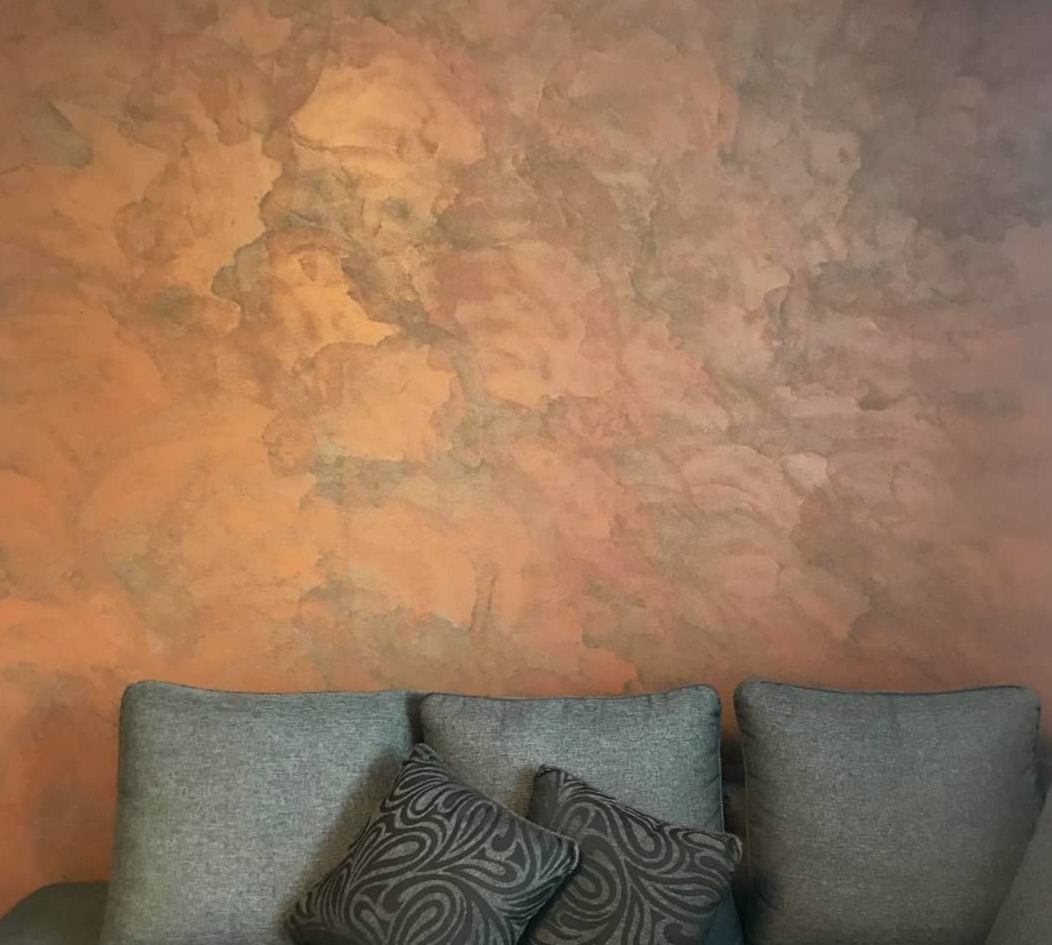
A feature wall can either lift a room instantly or make it feel like a trend that arrived too loudly and left too soon. The difference usually comes down to finish. The most successful top feature wall finish ideas are not just about colour or pattern - they bring depth, texture and material presence into the space, while still feeling considered enough to last.
For homeowners, designers and developers working on premium interiors, the finish matters as much as the layout or lighting. A well-chosen surface can create softness, reflect light, add tactility or introduce contrast in a way paint alone rarely can. The best results also balance visual impact with durability, especially in spaces that need to work hard as well as look refined.
What makes the top feature wall finish ideas worth considering?
The strongest feature walls do more than fill a blank elevation. They help define the character of a room. In an open-plan living area, they can anchor the seating zone. In a bedroom, they can add calm and softness behind the bed. In a reception area or hospitality setting, they can become part of the brand experience.
That is why finish choice matters. Some surfaces create a subtle, tonal effect that shifts beautifully with natural light. Others are deliberately bold, with metallic movement or pronounced texture. Neither is automatically better. It depends on the architecture, the level of natural light, the surrounding materials and how permanent you want the statement to feel.
Venetian plaster for quiet luxury
Venetian plaster remains one of the most sophisticated ways to create a feature wall. It has a depth that flat paint cannot replicate, with hand-applied movement and tonal variation that feels bespoke rather than manufactured. In soft neutrals, it brings warmth and elegance. In deeper shades, it can feel more architectural and dramatic.
This finish works particularly well in living rooms, entrance halls, dining spaces and main bedrooms where you want a surface to feel luxurious without becoming overly decorative. It pairs naturally with timber, brushed metals, stone and warm lighting.
The trade-off is that quality application matters enormously. Venetian plaster only looks premium when it is expertly executed. On the right wall, though, the effect is lasting and design-led rather than trend-driven.
Polished plaster with a marble-like sheen
If you want more light play and a sleeker finish, polished plaster offers a more reflective surface. It can echo the elegance of natural stone while remaining more adaptable in terms of colour and scale. This makes it a strong option for contemporary interiors that want richness without heaviness.
In narrower spaces such as hallways, cloakrooms or feature niches, the slight sheen can help bounce light and prevent the wall from feeling visually dense. In commercial interiors, it adds an elevated finish that looks considered from every angle.
This is one of the top feature wall finish ideas for clients who want something timeless but still distinctive. It feels artisanal and refined, especially when matched to a broader interior palette rather than treated as a stand-alone statement.
Textured plaster for depth and softness
Not every feature wall needs shine. Textured plaster is ideal when the goal is a softer, more natural look with visible hand-crafted movement. Depending on the technique, it can range from lightly clouded and organic to more pronounced and layered.
This finish suits schemes that lean warm, tactile and understated. Think calm bedrooms, boutique-style lounges, refined dining rooms or hospitality spaces that need atmosphere rather than gloss. It also works beautifully on larger walls where pattern or wallpaper might feel too busy.
The benefit here is subtlety. Texture catches light gently throughout the day, which gives the wall a living quality. If you want visual interest without a hard contrast, textured plaster often gets the balance right.
Microcement for a clean architectural statement
Microcement has become a popular choice for contemporary interiors because it delivers a continuous, design-led look. On a feature wall, it creates a sleek mineral finish with a slightly raw edge, making it especially effective in modern homes, commercial fit-outs and minimalist schemes.
Its appeal lies in restraint. Rather than demanding attention through pattern, it creates impact through materiality. In grey, stone and taupe tones, it works well alongside black detailing, timber joinery and large-format flooring. It is also a strong option where you want wall and floor finishes to feel visually connected.
That said, microcement is not the right answer for every room. In traditional interiors, it can feel too industrial unless balanced carefully with softer furnishings and warmer materials. Where the architecture supports it, though, it looks sharp, current and highly considered.
Metallic finishes for a more dramatic effect
For spaces that need a little theatre, metallic decorative finishes can be extremely effective. These surfaces bring movement, reflectivity and a richer sense of mood, especially under layered lighting. Bronze, pewter, champagne and aged gold tones can all work beautifully when handled with restraint.
This is often a strong choice for bars, restaurants, reception spaces and dining rooms where atmosphere is part of the brief. In residential settings, metallic walls tend to work best in smaller doses - perhaps on a chimney breast, behind a bed or in a formal entertaining space.
The key is sophistication. A metallic finish should feel nuanced and layered, not glittery or overly polished. Done well, it can add glamour without compromising the overall elegance of the room.
Limewash-style finishes for softness and movement
If you prefer a more relaxed aesthetic, limewash-style finishes offer a chalky, tonal appearance that feels airy and organic. The surface tends to have gentle variation and a matt quality that works especially well in light-filled rooms.
This finish is well suited to neutral interiors, period homes and schemes that favour natural materials over high contrast. It can make a room feel calmer and more grounded, particularly when paired with linen, oak, stone and muted textiles.
Compared with more polished decorative finishes, the effect is less formal. That can be a strength if you want the room to feel warm and effortless rather than sharply styled.
Concrete-effect finishes with urban edge
Concrete-effect walls sit somewhere between industrial and high-end contemporary, depending on the tone and surrounding palette. They can bring strength and contrast into an interior, particularly where clean lines and simple forms are already part of the design language.
These finishes tend to work best in media rooms, kitchens, offices and commercial spaces where a slightly bolder architectural look is welcome. They are less about softness and more about structure.
There is a clear trade-off here. A concrete-effect wall can look striking, but it needs the right context. In a room full of traditional detailing, it may feel forced. In a modern setting with confident styling, it can look exceptional.
Bespoke colour-matched decorative plaster
One of the most valuable options for premium interiors is a bespoke plaster finish colour-matched to the scheme. This approach allows the feature wall to feel fully integrated rather than selected from a standard chart. It is especially useful when you are working with custom joinery, specific fabrics or a tightly curated material palette.
For architects and interior designers, this level of control is often what separates a good room from a memorable one. The finish becomes part of the composition, not just an accent. Subtle shifts in undertone can make a significant difference once lighting, flooring and furnishings are in place.
For clients seeking a more personal result, a bespoke finish also offers originality. The wall does not just look expensive - it feels designed.
High-gloss resin panels and glass-like effects
In selected commercial and ultra-contemporary settings, a glass-like resin effect can create a genuinely striking feature wall. This look is smooth, reflective and unapologetically modern. It suits spaces that want a polished, high-impact finish with strong visual clarity.
Because of its sleek appearance, it often works best in reception areas, bars, retail environments and statement residential zones rather than throughout a whole home. It can look particularly effective when paired with controlled lighting and minimalist detailing.
This is a more directional choice than plaster or textured mineral finishes, but for the right project, the result is bold and memorable.
How to choose the right feature wall finish
The best top feature wall finish ideas are always tied to the room itself. Start with the amount of light the space gets. Reflective finishes can lift darker rooms, while heavily textured or darker surfaces often shine in larger spaces with good natural light.
Next, look at the surrounding materials. If the room already includes strong stone veining, patterned fabrics or statement joinery, a calmer wall finish may give you better balance. If the space feels flat or overly uniform, a more expressive surface can add the depth it is missing.
Practical use also matters. A main hallway, restaurant or busy family living space needs a finish that is not only beautiful but suitably durable. That is where specialist decorative surfaces come into their own. They offer the visual richness of artisan craftsmanship with the performance needed for real interiors.
Aura Surface often sees the best results when the feature wall is treated as part of the architecture rather than an afterthought. The finish should feel connected to the room's purpose, proportions and mood.
A well-finished wall does not need to shout. It just needs to hold the room with confidence, catch the light in the right way and still feel right long after the furniture has been moved around it.


Comments