Is Venetian Plaster Expensive?
- aurasuface
- May 19
- 6 min read
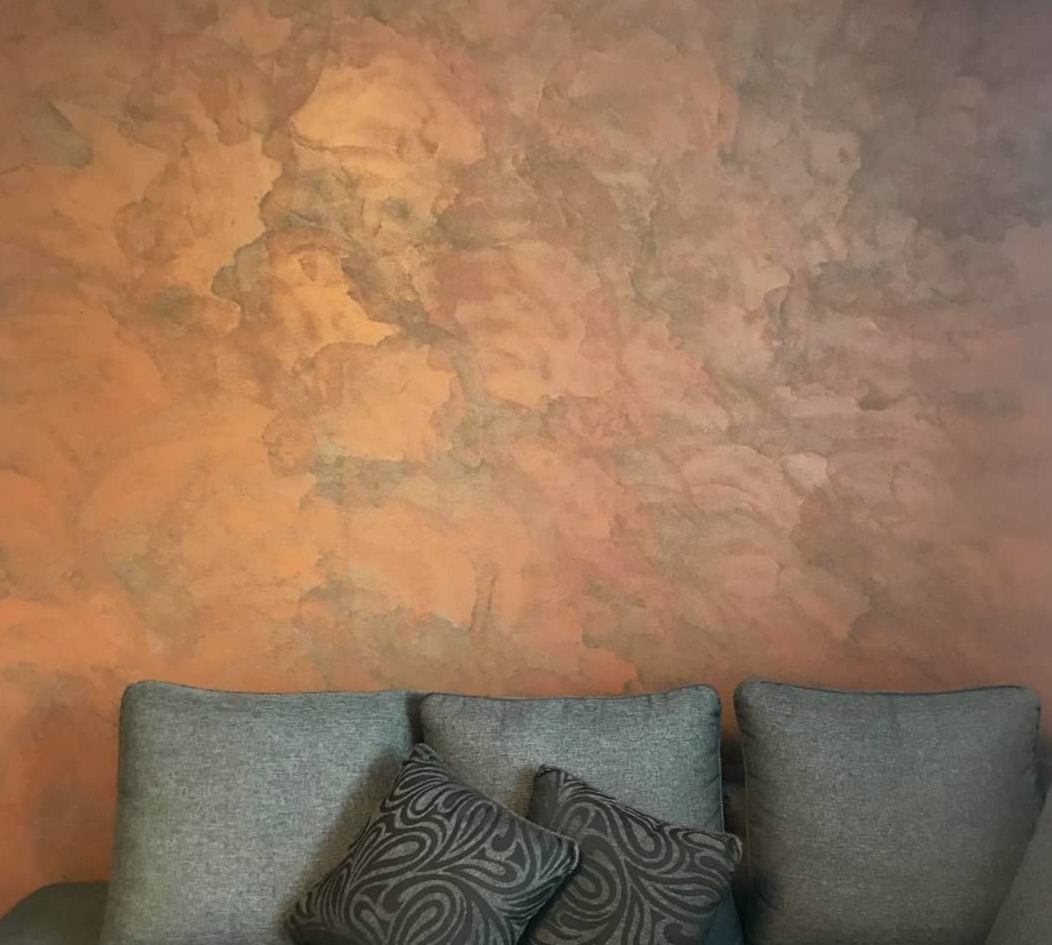
A painted wall is cheap to redo. A beautifully hand-applied wall finish that changes with the light, adds depth to a room and feels distinctly bespoke is not. So if you are asking is venetian plaster expensive, the honest answer is yes - compared with standard paint or wallpaper, it usually is. But that is only half the story.
Venetian plaster sits in a different category from ordinary wall coverings. It is an artisan finish, applied by hand in layers, designed to create movement, texture and a refined surface quality that paint simply cannot replicate. For homeowners, designers and commercial clients aiming for a more elevated interior, the better question is often not whether it costs more, but whether it delivers enough visual and practical value to justify that premium.
Is Venetian Plaster Expensive Compared with Paint?
In simple terms, yes. If your benchmark is a straightforward emulsion finish on plasterboard, Venetian plaster will cost notably more per square metre. Paint is quicker, easier to touch up and far less dependent on specialist craftsmanship. Venetian plaster requires surface preparation, product expertise, layering techniques and finishing skill that only comes with experience.
That difference in labour is a major part of the price. You are not just paying for materials. You are paying for the eye and hand of a specialist installer, and for a finish that is intentionally bespoke rather than rolled on from a tin.
It is also worth comparing like with like. Venetian plaster is often chosen in spaces where clients want a focal wall, a luxury powder room, a statement hallway or a design-led commercial interior. In those settings, it competes less with basic paint and more with premium wall treatments, specialist panelling or high-end decorative finishes.
What Actually Makes Venetian Plaster Cost More?
The price comes down to a mix of craftsmanship, material quality and the nature of the finish itself. Venetian plaster is not one flat product with one fixed price. The final cost depends on the effect you want and the condition of the surface underneath.
The finish you choose
A smooth polished plaster with a soft sheen may require a different level of layering and burnishing than a heavily textured, concrete-effect or stone-inspired finish. Some looks are relatively understated. Others are richly dimensional and more time-intensive. As the visual complexity rises, so does the labour involved.
The condition of the walls
A premium finish will only look as good as the surface beneath it. If the wall is uneven, damaged or previously coated in materials that need correcting, preparation becomes a bigger part of the project. That matters because decorative plaster does not hide poor groundwork in the way some heavier wall coverings can.
Size and layout of the space
A large, open wall can sometimes be more efficient to complete than a smaller area with awkward corners, cut-ins, sockets, curves or detailed architectural features. The square metre rate is only one part of pricing. Intricate spaces often take longer, even when the total wall area is modest.
Product quality and system used
There is a clear difference between entry-level decorative plasters and premium mineral-based systems with richer depth, stronger performance and a more refined finish. Better materials generally offer better visual character and longevity, but they do affect budget.
Skill level of the applicator
This is the part clients sometimes underestimate. Venetian plaster is not a commodity trade. Two surfaces may look similar in photographs, yet feel entirely different in person. A highly skilled applicator creates balance, consistency and movement that reads as luxury rather than unevenness. That expertise carries a cost, and rightly so.
When the Cost Feels Worth It
Venetian plaster tends to make the most sense when design impact matters. In a principal bedroom, hallway, reception space, dining area or boutique commercial setting, it can transform a room from ordinary to memorable without relying on clutter, excessive decoration or trend-led styling.
It also suits clients who value individuality. Because the finish is hand-applied, no two walls are exactly alike. The colour variation, texture and tonal movement are part of the appeal. For architects and interior designers working on bespoke schemes, that uniqueness is often a major reason to choose it.
Then there is longevity. A well-executed plaster finish can be highly durable, especially in interiors where a hard-wearing, breathable and low-fuss decorative surface is desirable. It is not indestructible, and suitability depends on the product used and the environment, but it often offers more lasting presence than a standard painted wall that needs frequent refreshing.
When It May Not Be the Right Spend
Not every room needs Venetian plaster. If you are renovating an entire property on a tight budget, or simply want a clean, functional finish throughout, paint may be the more sensible route. There is no value in specifying a luxury surface where the project brief does not support it.
It can also be the wrong choice if expectations are unrealistic. Because it is hand-applied, Venetian plaster is meant to have depth and variation. If you want a perfectly flat, uniform wall with no movement, a standard painted finish may suit you better.
This is where good specification matters. The right finish in the right room can feel exceptional. The wrong finish, chosen for the wrong reason, can feel like money spent without purpose.
Is Venetian Plaster Expensive for Feature Walls Only?
Often, this is where the value becomes most attractive. Rather than applying Venetian plaster throughout an entire property, many clients focus on one or two standout areas. A feature wall behind a bed, a double-height entrance, a fireplace surround or a statement commercial reception can deliver strong visual impact without stretching the budget across every room.
This selective approach keeps the material feeling special. It also allows more freedom to choose a richer texture, deeper tone or more polished finish because the treatment is concentrated where it will be seen and appreciated most.
For many projects, that is the sweet spot between design ambition and practical spend.
Cost Versus Value in Luxury Interiors
There is a difference between something being expensive and something being poor value. Venetian plaster is a premium finish, so yes, it sits above standard decorating in cost. But value should be judged by what it contributes to the finished interior.
A bespoke plaster wall adds atmosphere in a way flat paint rarely can. It catches daylight differently across the day, introduces tactility and gives a room a more considered architectural feel. In hospitality, retail and client-facing spaces, that can directly influence how the environment is perceived. In residential projects, it can elevate the everyday experience of the room itself.
For design-conscious clients, those gains are not superficial. They are part of what makes a space feel complete.
How to Budget Sensibly for Venetian Plaster
The best approach is to treat Venetian plaster as a design feature rather than a default wall finish. Decide where it will have the greatest effect. Prioritise visible, high-impact areas. Be clear about the look you want, because a soft matte limestone feel, a polished marble-style surface and a textured industrial effect can sit at very different price points.
It also helps to have realistic expectations about preparation and sampling. Bespoke finishes often require discussion around tone, texture and sheen before work begins. That planning stage is part of achieving a refined result rather than a generic one.
If you are comparing quotes, avoid reducing the decision to square metre rates alone. Ask what level of preparation is included, what finish system is being specified and whether the installer has a proven portfolio in the style you want. Lower pricing can sometimes mean compromises in material quality, detailing or execution.
For clients looking for luxury decorative surfaces that feel tailored rather than standard, working with a specialist such as Aura Surface is less about buying wall coverage and more about commissioning a finish.
So, Is Venetian Plaster Expensive?
Yes - in comparison with basic paint, Venetian plaster is expensive. It is a premium, hand-crafted finish, and its cost reflects the specialist labour, material quality and bespoke outcome involved.
But expensive does not automatically mean excessive. If your goal is a richer, more architectural interior with genuine texture, individuality and durability, Venetian plaster can offer strong value. The key is using it intentionally, in the spaces where it will do the most work visually.
The smartest interiors are rarely built on the cheapest choices. They are built on the right ones, used in the right places.


Comments