Epoxy Resin Flooring Staffordshire Homes Love
- aurasuface
- May 19
- 5 min read
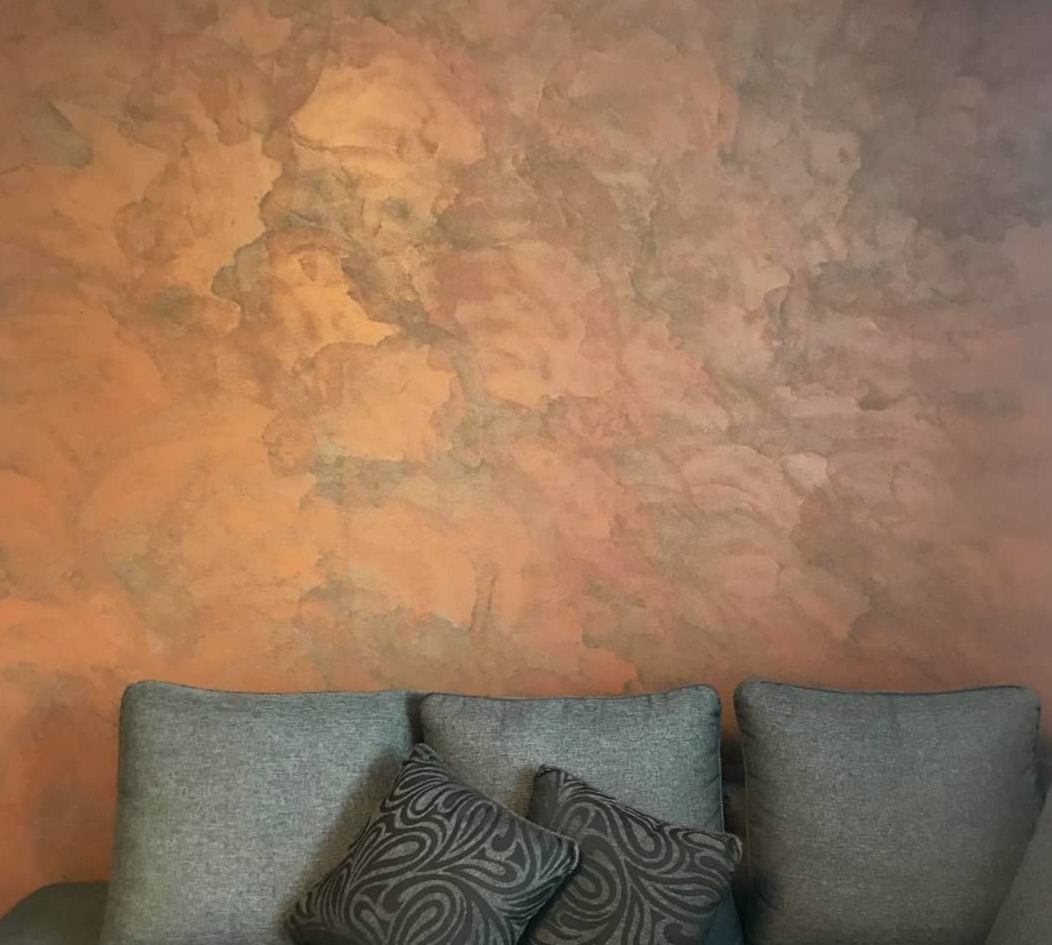
A tired concrete slab can flatten an otherwise carefully designed room. By contrast, epoxy resin flooring Staffordshire property owners are choosing today brings a space into focus - smooth underfoot, visually precise and tailored to the wider interior scheme.
For design-led homes and commercial interiors alike, resin is no longer a purely industrial choice. It has become a premium surface finish in its own right. When specified and installed well, it delivers a sleek, seamless floor with the practical strength to handle daily use and the visual presence to elevate the whole room.
Why epoxy resin flooring stands out
The appeal starts with the finish. Unlike tiled, timber-effect or sheet flooring, epoxy resin creates a continuous surface with no grout lines, joins or pattern repeats interrupting the look. That gives interiors a cleaner, calmer feel - especially in open-plan layouts where visual clutter can make a space seem busier than it is.
It is also highly versatile. A resin floor can be soft and understated in a muted neutral, bold and architectural in charcoal or black, or bright and reflective with a polished, glass-like appearance. For clients working to a specific palette, custom colour matching is often one of the strongest advantages. Rather than settling for an off-the-shelf finish, the floor can be developed to complement cabinetry, plaster finishes, feature lighting and furniture choices.
There is a practical side to that elegance. Epoxy resin flooring is hard-wearing, easy to maintain and well suited to interiors where appearance matters but performance cannot be compromised. In family homes, that may mean kitchens, utility areas and hallways. In commercial settings, it may mean boutiques, salons, showrooms, hospitality spaces or reception areas where the floor needs to look sharp day after day.
Epoxy resin flooring in Staffordshire - where it works best
In Staffordshire, resin flooring suits a broad mix of properties. Contemporary new-builds benefit from its minimal, architectural finish, while period renovations often use it as a deliberate contrast against original features such as exposed brick, timber beams or steel-framed glazing.
The key is not whether a property is old or new, but whether the surface supports the design intent. Resin works particularly well in spaces where continuity matters. Open-plan kitchen diners, kitchen extensions, basement conversions and commercial interiors with a strong brand identity all benefit from a floor that reads as one uninterrupted plane.
Bathrooms can also work beautifully with resin, particularly where a client wants a refined, hotel-inspired feel. That said, product specification and slip resistance matter more in wet areas, so this is one of those situations where the right system is essential rather than optional.
The look: more bespoke than people expect
One of the biggest misconceptions about resin is that it only suits stark, industrial schemes. In reality, the finish can be remarkably nuanced. The final effect depends on colour, sheen level, build-up and the way the surface is applied.
A high-gloss finish creates a striking, glass-like quality that bounces light around the room and sharpens contemporary interiors. A satin or lower-sheen option feels quieter and more grounded, which can suit warmer residential spaces where a softer luxury is the goal. Some projects call for a near-monolithic block of colour, while others benefit from subtle movement within the surface to add depth without becoming busy.
This is where specialist application makes the difference. A premium resin floor is not simply poured and left. It is designed, prepared and installed with the same attention given to other high-end finishes. The result should feel considered, not generic.
Performance matters - but so does preparation
A beautiful topcoat cannot disguise poor groundwork. The long-term success of epoxy resin flooring depends heavily on the condition of the substrate underneath. If the base is uneven, damp, contaminated or structurally unsound, the finish above is compromised from the start.
Proper preparation usually involves assessing moisture levels, repairing defects, mechanically preparing the surface and building the system in stages. That process may not be the most glamorous part of the project, but it is the part that protects the appearance and durability clients are paying for.
This is also why resin is not always the right answer for every floor without qualification. If a substrate needs significant remedial work, timescales and costs can shift. A good specialist will be clear about that early, rather than promising a flawless finish on an unsuitable base.
What clients usually want to know first
Most enquiries begin with aesthetics and cost, but the most useful question is often about suitability. Does resin fit the way the space will actually be used?
In a busy family kitchen, the answer is often yes. The seamless finish is easy to clean, there are no grout lines to trap dirt, and the floor holds up well under regular foot traffic. In a boutique retail setting, resin can help create the kind of polished, high-end backdrop that lets products and interiors stand out.
Where expectations need managing is around perfection in the abstract. Resin is a hand-finished surface, and that is part of its appeal. It should look refined and expertly executed, but the best installations still retain a sense of material character. Clients looking for something with more life and individuality often appreciate that. Those expecting a finish identical to a printed laminate sample may need a more detailed conversation.
Choosing the right resin finish for your interior
Not every epoxy floor should look the same. The right choice depends on how the room functions and what role the floor plays within the wider design scheme.
If the floor is intended as a feature, a high-gloss finish with a strong, rich tone can create immediate impact. This works particularly well in minimal interiors where surface quality is doing much of the visual work. If the floor needs to support other design elements - statement joinery, textured plaster walls, bespoke lighting - a more restrained finish can be the better decision.
Commercial projects often benefit from balancing visual drama with practicality. A finish that photographs beautifully is valuable in customer-facing environments, but it also needs to cope with traffic, cleaning routines and the everyday demands of the business. For that reason, selecting a resin system should always sit somewhere between design ambition and real-world use.
Why specialist installation is worth it
Premium finishes ask for specialist hands. With epoxy resin, the difference between an average floor and an exceptional one often comes down to detail - edge work, consistency, surface preparation, colour control and the confidence to guide clients towards the right specification rather than the easiest sale.
For architects, designers and homeowners with a clear vision, that matters. A floor this visually clean leaves little room for compromise. Every decision is more visible because the surface itself is uninterrupted.
That is why a design-led resin installer brings more value than simple product supply. The process should involve understanding the room, the light, the material palette and the way the space will be lived in or used commercially. When that happens, the floor does more than perform. It completes the interior.
Is epoxy resin flooring the right investment?
For clients who want a cheap, quick flooring fix, probably not. Resin sits in a more considered category. It is best suited to projects where finish quality, bespoke detailing and long-term visual impact matter as much as function.
For clients who want a luxurious surface with everyday resilience, it can be a very strong investment. The combination of durability, colour customisation and seamless design gives it a place in interiors that want to feel both elevated and effortless.
In Staffordshire, where homes and commercial spaces increasingly blend practical renovation with stronger design ambitions, resin flooring offers something standard options rarely achieve - a floor that feels architectural, bespoke and genuinely transformative. If the goal is to create a space with clarity, confidence and lasting presence, this is where the conversation gets interesting.
When the floor stops being an afterthought and starts shaping the room, the whole interior tends to rise with it.


Comments